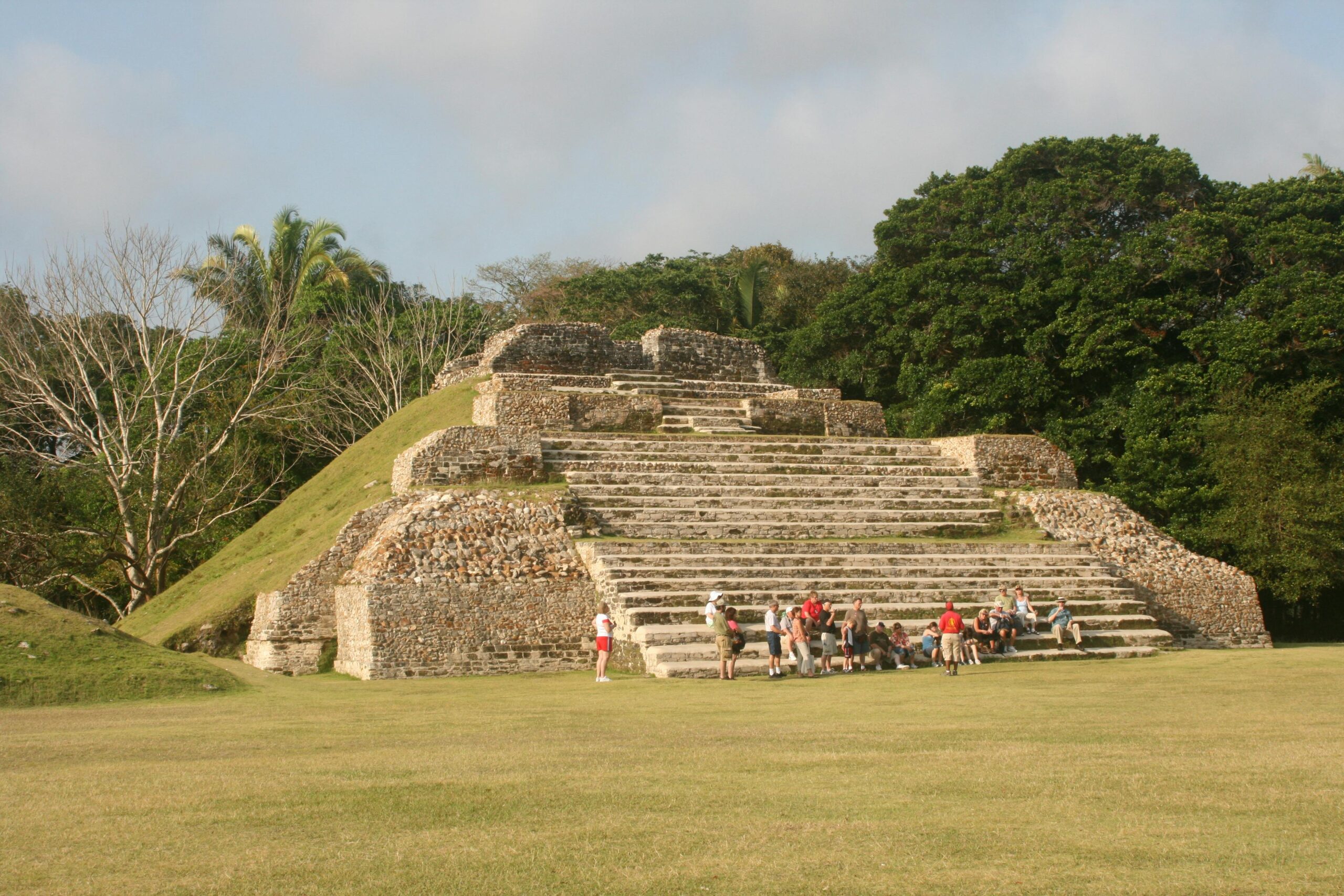
Ancient libraries were more than repositories of scrolls and texts—they were architectural marvels that symbolized humanity’s quest for knowledge and cultural preservation.

📚 The Sacred Geometry of Knowledge Palaces
When we think of ancient libraries, our minds often conjure images of dusty scrolls and dimly lit corridors. Yet the reality was far more spectacular. The great libraries of antiquity were designed as monumental statements of intellectual ambition, combining functional storage with breathtaking architectural aesthetics that continue to inspire modern designers today.
These structures represented the pinnacle of engineering and artistic achievement in their respective civilizations. From the sun-drenched halls of Alexandria to the columned splendor of Ephesus, ancient library architecture tells a story of human ingenuity that transcends time. Each building was carefully planned to protect precious manuscripts while creating spaces that elevated the act of reading and scholarship to something approaching the divine.
The architectural principles employed in these ancient knowledge centers reveal sophisticated understanding of climate control, natural lighting, and spatial organization—concerns that remain relevant to library designers in our contemporary world.
🏛️ The Library of Alexandria: Crown Jewel of the Ancient World
No discussion of ancient library architecture would be complete without examining the legendary Library of Alexandria. Founded in the third century BCE during the reign of Ptolemy II, this institution wasn’t merely a library but an entire research complex that included lecture halls, meeting rooms, gardens, and even a dining hall where scholars could gather and exchange ideas.
The main building, known as the Royal Library, was part of a larger complex called the Mouseion (Temple of the Muses). Archaeological evidence and historical accounts suggest the structure featured colonnade-lined walkways that provided shaded outdoor spaces for contemplation and discussion. The reading rooms were designed with large windows positioned to maximize natural light while minimizing direct sunlight that could damage the precious papyrus scrolls.
The architectural design incorporated advanced ventilation systems using a combination of high ceilings, strategic window placement, and air shafts that kept the interior spaces cool in Alexandria’s Mediterranean climate. This climate control was essential for preserving the estimated 400,000 to 700,000 scrolls housed within its walls.
Innovative Storage Solutions in Alexandria
The shelving systems in the Library of Alexandria represented revolutionary thinking in information organization. Scrolls were stored in labeled pigeonholes carved into the walls, arranged by subject matter and author. Each storage niche was carefully positioned to allow air circulation while protecting contents from moisture and pests.
Stone and cedar wood were the primary materials used in construction, chosen specifically for their durability and natural resistance to decay. The floors were typically made of marble or limestone, which helped regulate temperature and humidity levels—a crucial factor in manuscript preservation.
🏺 The Library of Pergamum: Rival in Magnificence
While Alexandria claimed the title of largest ancient library, the Library of Pergamum in modern-day Turkey challenged its supremacy both in collection size and architectural innovation. Built in the third century BCE on the acropolis of Pergamum, this library housed approximately 200,000 volumes and introduced architectural features that would influence library design for centuries.
The structure consisted of four rooms, each serving a distinct purpose. The main reading hall featured a stunning statue of Athena, goddess of wisdom, standing nearly four meters tall. The walls were lined with galleries that created a two-story effect, maximizing storage capacity within a relatively compact footprint.
One of the most remarkable innovations at Pergamum was the double-wall construction technique. The interior walls containing the scroll niches were built approximately one meter away from the exterior walls, creating an air gap that served multiple purposes. This space prevented moisture from seeping through to the manuscripts, regulated temperature fluctuations, and deterred rodents from accessing the valuable texts.
Architectural Elements That Stood the Test of Time
The architects of Pergamum demonstrated remarkable foresight in their design choices. The building was oriented to capture optimal morning light while avoiding the harsh afternoon sun. Large Corinthian columns supported the structure, creating an impression of grandeur that reinforced the library’s status as a temple of learning.
The flooring system incorporated raised platforms beneath certain scroll storage areas, allowing air to circulate underneath and preventing ground moisture from affecting the collections. This attention to environmental detail showcased the sophisticated understanding ancient architects possessed regarding preservation science.
🌟 The Library of Celsus: Where Beauty Met Function
Perhaps no ancient library better exemplifies the marriage of aesthetic splendor and practical design than the Library of Celsus in Ephesus. Completed in 135 CE, this Roman library was built as a monumental tomb for Tiberius Julius Celsus Polemaeanus, with the library serving as a lasting tribute to his intellectual legacy.
The façade of the Library of Celsus remains one of the most photographed ancient structures in the world, and for good reason. The two-story front features twelve columns on the lower level and eight on the upper, creating a rhythmic visual harmony that draws the eye upward. The spaces between the columns housed statues representing the four virtues: Wisdom (Sophia), Knowledge (Episteme), Intelligence (Ennoia), and Valor (Arete).
The architects employed several optical illusions to make the building appear larger than its actual dimensions. The columns and decorative elements on the edges of the façade are slightly larger than those in the center, creating a sense of depth and perspective that makes the structure seem more imposing from street level.
Interior Design and Manuscript Protection
Inside the Library of Celsus, three tiers of rectangular niches carved into the walls held approximately 12,000 scrolls. The interior dimensions measured roughly 17 by 11 meters, yet the vertical design created an impression of much greater volume. Like the Library of Pergamum, Celsus featured double-wall construction with a humidity-controlling air gap.
The reading room’s eastern orientation ensured abundant morning light for scholars while protecting manuscripts from the damaging effects of afternoon heat. Small windows placed high on the walls provided additional illumination without exposing scrolls to direct sunlight. The combination of natural and reflected light created ideal reading conditions throughout most of the day.
📖 Architectural Elements Common to Ancient Libraries
Despite geographical and cultural differences, ancient libraries shared several common architectural features that reveal universal principles of design for housing knowledge. These elements reflect both practical necessities and symbolic meanings attached to centers of learning.
Column Design and Symbolism
Columns served both structural and symbolic purposes in ancient library architecture. Beyond supporting roofs and upper floors, these vertical elements represented the pillars of knowledge upon which civilization rested. Different architectural orders—Doric, Ionic, and Corinthian—conveyed varying messages about the library’s character and the values it embodied.
The spacing between columns was carefully calculated to create open, welcoming entrances while maintaining structural integrity. Wide intercolumniation invited scholars to enter freely, symbolizing the democratic accessibility of knowledge, while also allowing natural ventilation to flow through the building.
Natural Lighting Strategies
Ancient architects developed sophisticated techniques for harnessing natural light without subjecting manuscripts to damaging solar radiation. Clerestory windows placed high on walls allowed diffused light to enter while preventing direct sunlight from reaching stored materials. Some libraries incorporated light wells or internal courtyards that brought illumination deep into the building’s interior.
The orientation of reading rooms typically favored northern or eastern exposures in Mediterranean climates, providing consistent, gentle illumination without excessive heat. Window sizes and placements were calculated based on the building’s latitude and the sun’s seasonal path—demonstrating advanced astronomical knowledge applied to practical architectural challenges.
🔨 Building Materials and Preservation Technologies
The choice of construction materials in ancient libraries reflected both regional availability and sophisticated understanding of material properties. Stone—particularly marble, limestone, and granite—dominated major public libraries due to its durability, fire resistance, and ability to moderate interior temperatures.
Cedar wood from Lebanon was highly prized for shelving and door construction because its natural oils repelled insects and prevented rot. The aromatic properties of cedar also helped mask the musty odors that could develop in enclosed spaces filled with organic materials like papyrus and parchment.
Floor surfaces in important libraries often featured intricate mosaic work using small stone tiles. These decorative floors served practical purposes beyond aesthetics—the dense stone composition provided thermal mass that stabilized interior temperatures, while the slight texture improved traction for scholars walking with armloads of scrolls.
Climate Control Through Design
Ancient architects employed passive climate control strategies that would impress modern green building advocates. Thick stone walls provided thermal mass that absorbed heat during the day and released it slowly at night, moderating temperature extremes. High ceilings allowed warm air to rise away from reading areas and manuscript storage zones.
Strategic use of courtyards and atriums created convection currents that naturally ventilated interior spaces. Cool air would enter through lower openings, warm as it absorbed heat from people and sunlight, then exit through upper vents or windows. This continuous air circulation prevented the stagnant, humid conditions that promote mold growth and paper degradation.
✨ Decorative Elements and Cultural Significance
The decorative programs in ancient libraries communicated complex messages about knowledge, power, and cultural identity. Sculptural elements, frescoes, and architectural ornamentation weren’t merely aesthetic choices—they served didactic purposes, reminding visitors of the library’s sacred mission and the civilizational values it embodied.
Statues of gods and goddesses associated with wisdom, learning, and arts occupied prominent positions. Athena and Apollo appeared frequently in Greek and Roman libraries, while Egyptian institutions honored Thoth and Seshat, deities of writing and knowledge. These divine presences sanctified the space and elevated intellectual pursuits to spiritual significance.
Inscriptions carved into lintels, friezes, and column bases often contained dedications, philosophical quotations, or statements about the library’s purpose. These texts transformed the architecture itself into a medium for communicating ideas, blurring the distinction between the building as container and the knowledge it contained.
🌍 Regional Variations in Library Architecture
While Mediterranean libraries shared common characteristics, regional traditions introduced distinctive features that reflected local climates, available materials, and cultural preferences. Understanding these variations provides insight into how different civilizations approached the challenge of creating optimal spaces for scholarship.
Roman Innovation and Engineering
Roman libraries benefited from advanced concrete technology, allowing for more daring architectural experiments. Vaulted ceilings and domed spaces appeared in some Roman libraries, creating awe-inspiring interiors that elevated the reading experience. The concrete construction also improved fire resistance—a critical concern given that fire destroyed countless ancient libraries.
Roman libraries often included separate Greek and Latin sections, with distinct reading rooms for each language collection. This architectural division reflected the bilingual nature of elite Roman education and the empire’s complex relationship with its Greek cultural inheritance.
Eastern Mediterranean Adaptations
Libraries in regions like Pergamum and Ephesus incorporated design elements suited to the hot, dry summers and mild winters of western Anatolia. Deeper porticos provided extended shade during summer months, while the orientation of major façades captured warming winter sun. Water features like fountains and reflecting pools in adjacent courtyards cooled air through evaporation before it entered reading rooms.
The integration of libraries with larger temple or civic complexes in eastern Mediterranean cities created multi-functional cultural centers that combined religious, educational, and administrative purposes. This architectural integration reflected a holistic view of knowledge as inseparable from civic and spiritual life.
🏗️ Construction Techniques and Structural Innovations
Building ancient libraries required sophisticated engineering knowledge to support the weight of massive stone structures while creating the large, open interior spaces needed for reading rooms and scroll storage. Architects employed various structural systems to meet these challenging requirements.
Post-and-lintel construction dominated Greek libraries, with vertical columns supporting horizontal beams that in turn carried the roof structure. This system limited span widths but created the colonnade aesthetics that became synonymous with classical architecture. The proportional relationships between column diameter, height, and spacing were governed by mathematical ratios that ensured structural stability and visual harmony.
Roman libraries increasingly utilized arch and vault construction, allowing for wider spans and more flexible interior arrangements. The development of concrete enabled thinner walls that could still support substantial loads, freeing up more interior space for manuscript storage and reading areas.
💡 Legacy and Influence on Modern Library Design
The architectural principles developed in ancient libraries continue to influence contemporary library design in both obvious and subtle ways. Modern architects still grapple with many of the same challenges their ancient predecessors faced: how to create inspiring spaces that protect collections, serve readers effectively, and symbolize the cultural importance of knowledge preservation.
The emphasis on natural light that characterized ancient libraries has experienced a renaissance in contemporary design, with architects rejecting the windowless, artificially-lit libraries common in mid-twentieth century construction. Today’s libraries feature sophisticated daylighting systems that echo ancient strategies while incorporating modern materials and technologies.
The concept of libraries as civic monuments worthy of prominent locations and impressive architecture traces directly back to ancient precedents. When cities invest in landmark library buildings with distinctive designs, they’re continuing a tradition established in Alexandria, Pergamum, and Ephesus—using architecture to declare that knowledge and learning deserve society’s finest spaces.
🎯 Preservation Through Documentation and Study
Although many ancient libraries have been destroyed or survive only as ruins, ongoing archaeological research and architectural analysis continue to deepen our understanding of these remarkable structures. Modern technologies like 3D scanning, photogrammetry, and ground-penetrating radar reveal details invisible to earlier researchers, allowing for increasingly accurate reconstructions.
These studies serve practical purposes beyond historical curiosity. By understanding how ancient libraries achieved effective climate control, natural lighting, and spatial organization using only passive systems and available materials, contemporary architects gain insights applicable to sustainable building design. The ancient approach of working with natural forces rather than against them offers valuable lessons for an era concerned with energy efficiency and environmental impact.
Digital reconstruction projects have created virtual models of destroyed libraries like Alexandria, allowing scholars and the public to experience these lost architectural wonders. These visualizations not only honor the past but inspire future generations to value and protect the knowledge institutions of our own time.

🌅 Timeless Principles for Eternal Wisdom
The majestic library architecture of antiquity represents humanity’s enduring commitment to preserving knowledge and creating spaces that inspire intellectual growth. These buildings were far more than functional storage facilities—they were carefully designed environments where architecture, art, and learning converged to create transformative experiences for scholars and citizens alike.
From the double-wall climate control systems of Pergamum to the optically refined façade of Celsus, from the sprawling research complex of Alexandria to the vertical ingenuity of Roman libraries, ancient architects developed solutions to challenges that remain relevant today. Their work reminds us that truly great architecture serves both practical needs and higher aspirations, creating spaces that ennoble human activities and reflect our best values.
As we design the knowledge centers of the twenty-first century—whether physical libraries or digital repositories—the architectural legacy of antiquity offers guidance. The fundamental principles remain unchanged: protect what is precious, create inspiring environments for learning, use resources wisely, and build structures that will serve not just the present generation but those yet to come. In this way, the ancient libraries continue to teach us, even across the vast distances of time, their stones and columns whispering lessons about permanence, beauty, and the transformative power of architecture dedicated to wisdom.
The treasures these buildings housed may have perished, but the architectural innovations they embodied remain timeless—a fitting monument to humanity’s noblest pursuit: the preservation and transmission of knowledge across the generations. Every modern library that welcomes natural light through carefully positioned windows, every reading room designed to inspire contemplation, every knowledge institution that stands as a civic monument carries forward the vision first realized in the magnificent libraries of the ancient world. 📚✨