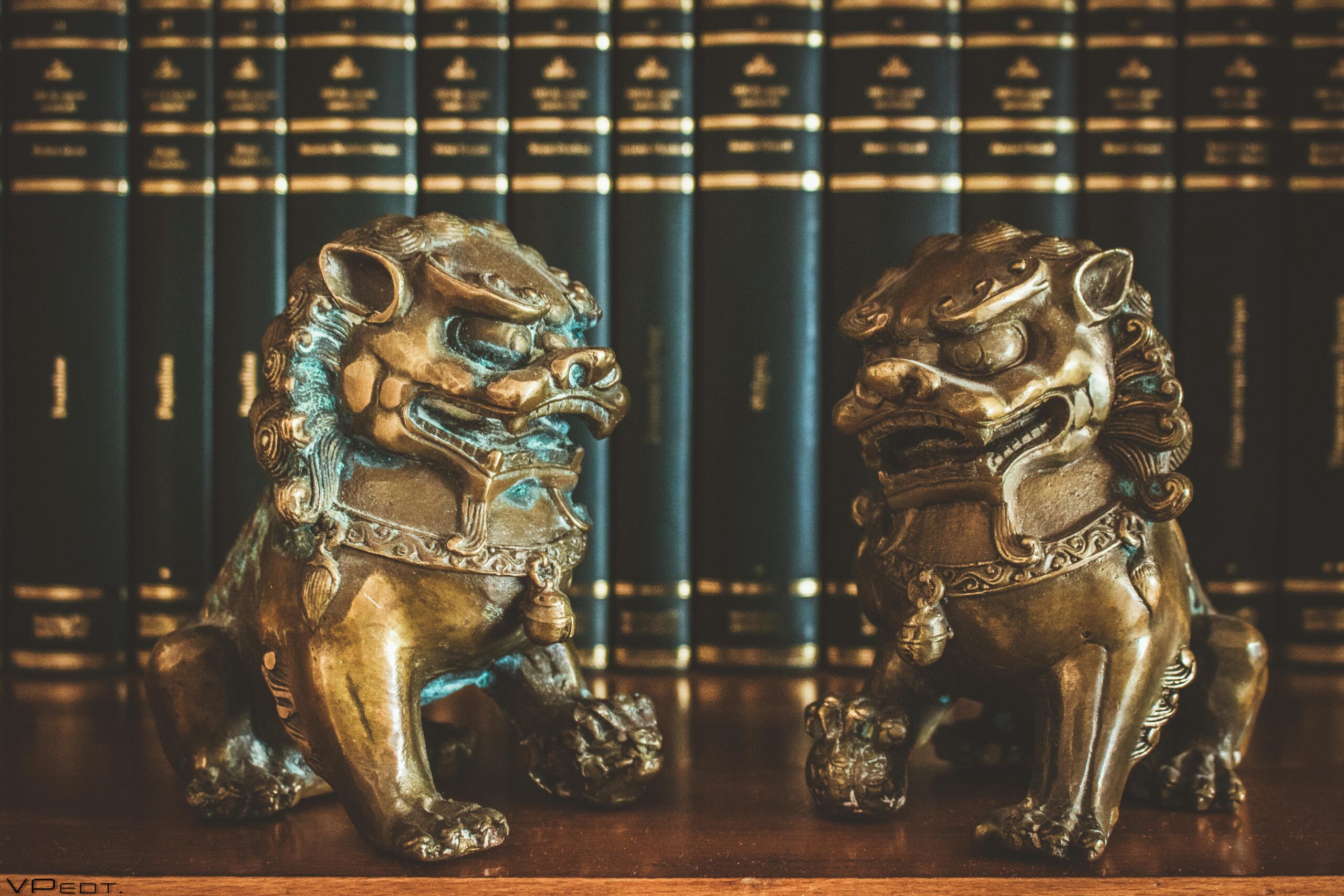
Imperial Chinese libraries stand as monuments to humanity’s most enduring quest for knowledge, preserving millennia of wisdom, poetry, philosophy, and scientific advancement that shaped one of the world’s greatest civilizations.

📚 The Dawn of Imperial Library Collections in Ancient China
The tradition of collecting and preserving written works in China dates back over three thousand years, making Chinese libraries among the oldest continuously maintained repositories of knowledge in human history. The earliest imperial collections emerged during the Zhou Dynasty (1046-256 BCE), when court scribes began systematically recording governmental decrees, historical events, and ritual practices on bamboo strips and silk scrolls.
These nascent collections served multiple purposes beyond mere storage. They functioned as tools of governance, repositories of ritual knowledge, and symbols of imperial legitimacy. The possession of extensive written records demonstrated a dynasty’s cultural sophistication and its connection to the accumulated wisdom of previous rulers.
The Qin Dynasty (221-206 BCE), despite its brief existence, dramatically impacted library history through the infamous “Burning of Books” ordered by Emperor Qin Shi Huang. This catastrophic event, intended to consolidate ideological control, resulted in the destruction of countless philosophical and historical texts. Paradoxically, it also underscored the political importance of libraries and sparked subsequent dynasties’ determination to recover and preserve lost knowledge.
🏛️ Architectural Grandeur: The Physical Spaces of Knowledge
Imperial Chinese libraries were not merely functional buildings but architectural masterpieces designed to reflect the cosmic order and the emperor’s role as the bridge between heaven and earth. The structures incorporated feng shui principles, ensuring that knowledge flowed harmoniously through carefully oriented halls and courtyards.
The most famous imperial library, the Wenyuan Pavilion within Beijing’s Forbidden City, exemplified this architectural philosophy. Built during the Qing Dynasty, it featured seven rooms representing the seven stars of the Big Dipper constellation, with black roof tiles symbolizing water—a protective element against fire, the greatest threat to any collection of written materials.
These libraries typically featured multiple stories, with the most precious and rare texts stored on upper levels to protect them from flooding and moisture. Climate control, though primitive by modern standards, was sophisticated for its time, utilizing ventilation systems, desiccants, and careful material selection to preserve delicate manuscripts.
Design Elements That Protected Ancient Treasures
The architectural innovations employed in imperial libraries demonstrate remarkable understanding of preservation science:
- Elevated foundations preventing ground moisture from damaging collections
- Thick walls providing thermal insulation and protection from external elements
- Strategically placed windows allowing natural light while minimizing direct sunlight exposure
- Compartmentalized storage reducing the spread of potential fires or pest infestations
- Courtyard designs facilitating air circulation throughout the complex
📖 The Content Treasures: What These Libraries Contained
Imperial Chinese libraries housed an astonishing diversity of materials spanning every field of human knowledge recognized in ancient China. The Four Great Books of Song, compiled during the Northern Song Dynasty, represented one of history’s most ambitious cataloging projects, organizing thousands of texts into four main categories: Classics, Histories, Philosophies, and Literary Collections.
The Classics section contained Confucian canonical texts including the Five Classics and the Four Books, which formed the foundation of Chinese education and civil service examinations for centuries. These works weren’t merely philosophical treatises but comprehensive guides to governance, ethics, ritual practice, and human relationships.
Historical works comprised detailed chronicles of dynasties, biographies of notable individuals, geographical surveys, and institutional records. The meticulous nature of Chinese historiography meant that these collections preserved incredibly detailed information about political events, natural phenomena, technological innovations, and social customs across millennia.
Scientific and Technical Knowledge Preserved
Beyond literature and philosophy, imperial libraries safeguarded extensive scientific and technical works covering astronomy, mathematics, medicine, agriculture, and engineering. The Nong Shu (agricultural treatises) contained detailed information about crop rotation, irrigation systems, and pest control methods. Medical texts like those in the Imperial Medical Bureau’s collection documented thousands of herbal remedies, acupuncture techniques, and diagnostic procedures.
Mathematical works preserved in these libraries included advanced concepts in algebra, geometry, and number theory that were remarkably sophisticated for their time. Astronomical records spanning centuries enabled Chinese scholars to predict celestial events with impressive accuracy and develop one of the world’s most sophisticated calendrical systems.
👨🎓 The Scholarly Traditions Surrounding Imperial Libraries
Access to imperial libraries was highly restricted and governed by elaborate protocols reflecting Confucian social hierarchies. Only the emperor, select members of the imperial family, high-ranking officials, and specially appointed scholars could consult these collections. This exclusivity reinforced the connection between knowledge, political power, and social status in imperial China.
The position of imperial librarian ranked among the most prestigious scholarly appointments in the empire. These individuals, typically accomplished scholars who had excelled in the civil service examinations, bore responsibility not only for organizing and preserving collections but also for advising the emperor on matters requiring historical precedent or classical interpretation.
Imperial libraries served as centers for major scholarly projects that shaped Chinese intellectual history. The compilation of encyclopedias, the standardization of classical texts, the composition of official histories, and the cataloging of imperial collections all occurred within these institutions. Teams of scholars worked for years, sometimes decades, on single projects under imperial patronage.
The Examination System Connection
The civil service examination system, which selected government officials based on merit rather than birth, created intense demand for access to classical texts and historical knowledge. Although candidates couldn’t access imperial libraries directly, the standardization of texts and the publication of authoritative editions influenced educational institutions throughout the empire.
This system created a scholarly class whose identity centered on mastery of texts preserved in imperial collections. The examinations tested not merely rote memorization but deep understanding of classical principles and the ability to apply ancient wisdom to contemporary problems—skills that required engagement with the literary heritage safeguarded in imperial libraries.
🔥 Threats and Preservation Challenges Through History
Despite sophisticated preservation methods, imperial libraries faced constant threats from both natural disasters and human conflicts. Fire represented the single greatest danger, claiming countless irreplaceable manuscripts throughout Chinese history. The destruction of the Hanlin Academy library during the Boxer Rebellion in 1900 resulted in the loss of priceless examination papers, imperial decrees, and rare manuscripts accumulated over centuries.
Water damage from flooding, especially in libraries located near rivers or in areas with heavy rainfall, posed another significant challenge. The humid climate in southern China created particular difficulties, as moisture encouraged mold growth and insect infestation that could rapidly destroy paper and silk documents.
Political upheavals repeatedly devastated library collections. Each dynastic transition risked the destruction or dispersal of accumulated knowledge as new regimes sought to erase evidence of their predecessors or as warfare consumed cultural institutions along with everything else. The transition from the Ming to Qing Dynasty, the Taiping Rebellion, and the tumultuous twentieth century all witnessed catastrophic losses to China’s literary heritage.
Conservation Techniques Developed Over Millennia
Chinese librarians and scholars developed numerous techniques to combat these threats:
- Creating multiple copies of important texts and distributing them across different locations
- Employing natural insect repellents including specific woods and aromatic substances in storage containers
- Implementing regular airing and inspection schedules to detect deterioration early
- Training specialized artisans in the delicate work of manuscript repair and restoration
- Developing ink formulas and paper-making techniques that enhanced document longevity
📜 The Siku Quanshu: The Complete Library in Four Sections
The Siku Quanshu, compiled between 1773 and 1782 during the Qianlong Emperor’s reign, represents the pinnacle of traditional Chinese bibliographic achievement. This massive compilation brought together 3,461 complete works containing approximately 79,000 chapters—virtually the entire corpus of significant Chinese literature available at the time.
The project required over 360 scholars and 3,800 scribes working for nearly a decade. Seven manuscript copies were produced, each containing more than 36,000 volumes bound in distinctive colored silk according to the classical four-part categorization system: green for Classics, red for Histories, blue for Philosophies, and gray for Literary Collections.
Beyond merely copying texts, the Siku Quanshu project involved critical editorial work. Scholars examined variant editions, corrected errors accumulated through centuries of transmission, and wrote critical annotations explaining obscure passages and historical contexts. The accompanying annotated bibliography, the Siku Quanshu Zongmu, provided summaries and evaluations of works included in the collection as well as thousands of other texts deemed significant.
Political Dimensions of the Great Compilation
While ostensibly a cultural project celebrating Chinese literary achievement, the Siku Quanshu compilation had darker political purposes. The Qing emperors, who were ethnically Manchu rather than Han Chinese, used this massive undertaking to demonstrate their role as legitimate guardians of Chinese civilization and to identify texts containing anti-Manchu sentiments for destruction.
Thousands of works were banned or heavily censored during the compilation process, particularly those relating to the Manchu conquest or expressing Han Chinese nationalism. This literary inquisition resulted in the permanent loss of significant historical and literary materials, even as the project preserved other endangered texts.
🌏 Regional Imperial Libraries Beyond the Capital
While the imperial libraries in the capital cities received the most attention and resources, important regional collections existed throughout the empire. Provincial libraries, often attached to administrative centers or educational institutions, served as repositories for local gazetteers, legal codes, examination records, and copies of important classical texts.
The Tianyi Pavilion in Ningbo, established in 1561 during the Ming Dynasty, stands as China’s oldest surviving private library, though it functioned similarly to regional imperial collections. Its founder, Fan Qin, a retired official, designed the building using the same principles as imperial libraries and accumulated over 70,000 volumes. The library’s survival through centuries of political turmoil provides valuable insights into traditional Chinese preservation methods.
Southern China’s provincial libraries often specialized in particular subjects reflecting regional expertise. Libraries in coastal provinces might emphasize maritime trade records and foreign contacts, while those in agricultural heartlands focused on farming techniques and water conservation methods. This regional specialization complemented the comprehensive collections maintained in imperial capitals.
💡 The Legacy: Modern Connections to Ancient Traditions
The tradition of imperial Chinese libraries profoundly influences modern Chinese and global library science. The classification systems developed for organizing imperial collections informed modern cataloging methods. The Four-Part system’s emphasis on subject-based organization anticipated contemporary library classification schemes.
Many texts preserved in imperial libraries now exist in digitized formats, making these ancient treasures accessible to scholars and curious readers worldwide. The National Library of China, heir to the imperial library traditions, has undertaken extensive digitization projects, scanning millions of pages of historical documents and making them available online.
Contemporary Chinese library architecture often incorporates design elements inspired by imperial predecessors, blending traditional aesthetics with modern functionality. The symbolic importance of libraries as cultural institutions preserving national heritage continues to resonate in Chinese society, where major libraries receive substantial government support and public attention.
Lessons for Modern Knowledge Preservation
The imperial Chinese library tradition offers valuable lessons for contemporary information management:
- The importance of creating redundant copies distributed across multiple locations
- The need for long-term thinking in preservation strategies, planning for centuries rather than decades
- The value of trained specialists dedicated to conservation and cataloging
- The recognition that preserving knowledge requires sustained institutional commitment and resources
- The understanding that libraries serve cultural and political functions beyond mere information storage
🎭 Cultural Impact: How Libraries Shaped Chinese Civilization
Imperial libraries functioned as more than repositories; they actively shaped Chinese cultural identity and intellectual development. By determining which texts received official recognition and preservation, imperial librarians influenced which ideas and values would transmit to future generations. The emphasis on Confucian classics in imperial collections reinforced particular ethical and political philosophies as normative for Chinese society.
The standardization of texts undertaken in imperial libraries created a shared literary foundation for the Chinese educated class across vast geographical distances and long temporal spans. A scholar in eighteenth-century Guangdong could discuss classical texts with counterparts in contemporary Beijing or reference commentaries written a thousand years earlier because imperial libraries had maintained and standardized these traditions.
Poetry, calligraphy, and painting—the three perfections of traditional Chinese culture—all relied on models and exemplars preserved in imperial collections. Artists and poets studied masterworks maintained in these libraries, absorbing techniques and aesthetic principles that defined Chinese artistic traditions. The imperial libraries thus served as crucial links in the chain of cultural transmission spanning generations.
✨ Rediscovering Lost Treasures: Archaeological Findings
Modern archaeology has recovered numerous texts thought lost for centuries, providing glimpses into library collections destroyed by historical catastrophes. The Dunhuang manuscripts, discovered in a sealed cave in western China in 1900, contained thousands of documents from the fourth to eleventh centuries, including Buddhist texts, Confucian classics, and administrative records that had vanished from known collections.
Excavations of ancient tombs have yielded bamboo and silk manuscripts predating the Qin book burning, offering precious evidence of early Chinese philosophy, history, and literature. These discoveries have revolutionized understanding of classical texts, sometimes confirming traditional interpretations and other times challenging long-held assumptions about ancient Chinese thought.
The ongoing work of textual archaeology—recovering, authenticating, and interpreting ancient manuscripts—continues the scholarly traditions established in imperial libraries. Modern paleographers employ advanced imaging technologies alongside traditional philological methods to decipher damaged texts and reconstruct lost works from fragments, extending the imperial librarians’ preservation mission into the twenty-first century.
🔮 The Enduring Fascination: Why These Libraries Matter Today
Imperial Chinese libraries captivate modern imagination because they represent humanity’s determination to preserve knowledge against formidable obstacles. These institutions survived wars, natural disasters, political upheavals, and technological transformations, maintaining continuity with the past while adapting to changing circumstances.
For scholars of Chinese history and culture, these libraries provide irreplaceable primary sources documenting the development of one of the world’s great civilizations. The meticulous record-keeping traditions they embodied enable modern researchers to reconstruct detailed pictures of ancient Chinese society, thought, and daily life with a precision rarely possible for other premodern cultures.
Beyond their historical significance, imperial Chinese libraries offer inspiration for contemporary efforts to preserve human knowledge in an era of rapid technological change and information overload. Their emphasis on careful curation, long-term preservation, and making knowledge serve both individual enlightenment and collective good remains relevant as societies grapple with digital preservation challenges and questions about which information deserves permanent archiving.
The majestic legacy of imperial Chinese libraries reminds us that civilizations are built not only on political power and economic strength but on the careful transmission of knowledge, wisdom, and cultural values from one generation to the next. These magnificent institutions, through their collections, their scholarly traditions, and their architectural grandeur, testified to the Chinese conviction that preserving the past was essential for navigating the present and building the future. Today, as we digitize ancient manuscripts and establish virtual archives, we continue work begun millennia ago by those first Zhou Dynasty scribes who understood that writing things down was only the beginning—creating systems to preserve, organize, and transmit that knowledge across time was the real challenge. The imperial Chinese libraries met that challenge with remarkable success, and their legacy continues to illuminate pathways for modern knowledge preservation efforts worldwide.