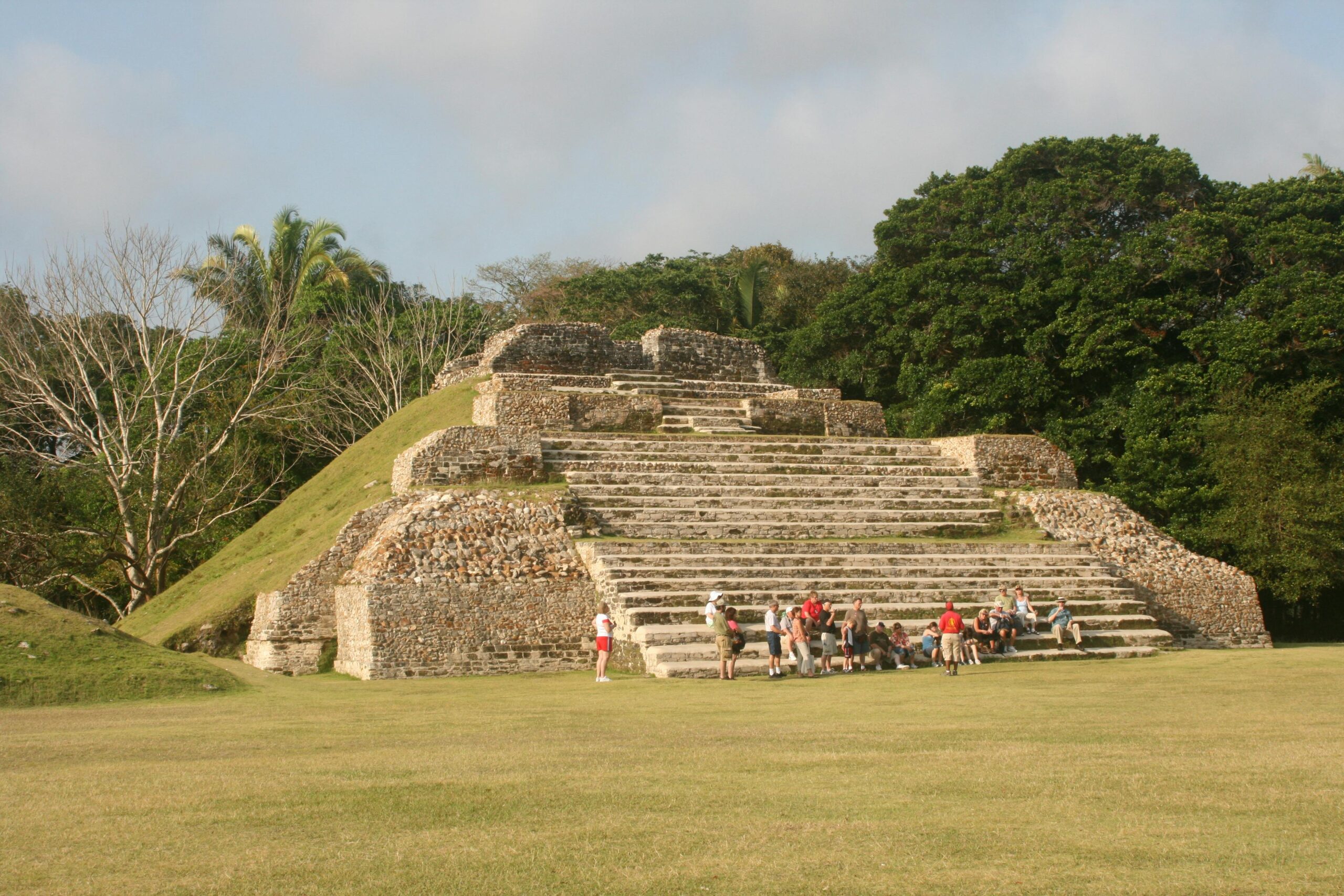
Ancient civilizations mastered the art of collaboration long before modern management theories emerged, creating enduring legacies through collective effort and shared wisdom.

🏛️ The Timeless Foundation of Collective Achievement
When we marvel at the pyramids of Egypt, the Great Wall of China, or the sophisticated road networks of the Roman Empire, we’re witnessing more than architectural brilliance. These monuments stand as testaments to humanity’s extraordinary capacity for organized collaboration. Our ancestors understood something fundamental that modern organizations are only now rediscovering: sustainable success requires systems that leverage diverse talents, distribute responsibilities effectively, and maintain clear communication channels across all levels of operation.
The complexity of ancient collaborative structures often surpasses our contemporary assumptions about “primitive” societies. These civilizations developed intricate frameworks for coordinating thousands of workers, managing resources across vast distances, and maintaining project continuity over decades or even centuries. Their methodologies emerged from necessity, refined through trial and error, and sustained through cultural transmission that valued collective prosperity over individual glory.
Ancient Collaboration Models That Shaped Civilizations
The Egyptian Workforce Organization Strategy
Contrary to popular belief, the Egyptian pyramids weren’t built by enslaved labor but by skilled workers operating within a sophisticated organizational structure. Archaeological evidence reveals a system that would impress modern project managers: specialized teams with distinct roles, rotating shifts to prevent burnout, comprehensive worker villages with amenities, and even sick leave provisions. This model recognized that sustainable productivity required worker wellbeing and clear role definition.
The Egyptian approach divided labor into specialized units. Stone cutters, transporters, engineers, surveyors, and support staff all functioned within interconnected systems. Each group understood their contribution to the larger objective, creating a sense of purpose that transcended individual tasks. Supervisors maintained accountability without micromanagement, trusting skilled workers to execute their specialized functions autonomously while ensuring alignment with overall project goals.
Roman Military Collaboration: Precision Through Structure 🛡️
The Roman legions conquered vast territories not solely through superior weapons but through unparalleled organizational discipline. Their military structure provided clear hierarchies, standardized training protocols, and communication systems that functioned efficiently across diverse linguistic and cultural contexts. Each soldier knew their role within the century, cohort, and legion, creating operational redundancy that maintained effectiveness even when leadership fell in battle.
Roman military collaboration emphasized adaptability within structure. While maintaining strict hierarchies for command clarity, the system encouraged tactical flexibility at ground level. Centurions could adjust strategies based on battlefield conditions without awaiting approval from distant commanders. This balance between centralized vision and decentralized execution enabled rapid response to changing circumstances while maintaining strategic coherence.
Indigenous Communal Decision-Making Systems
Many indigenous cultures developed consensus-based governance models that prioritized collective wisdom over autocratic authority. The Haudenosaunee Confederacy (Iroquois), for instance, established democratic principles centuries before European Enlightenment thinkers formalized similar concepts. Their Great Law of Peace created frameworks for inter-tribal collaboration, conflict resolution, and collective decision-making that balanced individual nation autonomy with confederacy unity.
These systems recognized that diverse perspectives strengthened outcomes. Council structures ensured representation from different clans, age groups, and genders, acknowledging that complex challenges required multifaceted understanding. Decision-making processes prioritized thorough deliberation over speed, understanding that sustainable solutions required broad buy-in and careful consideration of long-term consequences across seven generations.
Translating Ancient Wisdom Into Modern Practice 💡
Purpose-Driven Alignment Over Mere Task Completion
Ancient collaborative efforts succeeded partly because participants understood their work’s significance beyond immediate tasks. Modern organizations can replicate this by clearly articulating how individual contributions connect to larger organizational missions. When team members comprehend their work’s impact, engagement increases naturally without artificial motivation tactics.
This requires transparent communication about organizational vision, regular updates on progress toward collective goals, and recognition systems that acknowledge contributions within the broader context. Just as Egyptian workers took pride in building eternal monuments for their civilization, contemporary workers thrive when they perceive their efforts as meaningful contributions to purposes larger than quarterly profits.
Structured Flexibility: The Balance Ancient Cultures Mastered
Successful ancient collaborations maintained clear structures while allowing contextual adaptation. Modern agile methodologies echo this principle, but often organizations struggle with implementation, either maintaining rigid processes that stifle innovation or adopting such flexibility that coordination becomes chaotic.
The solution lies in distinguishing between immutable principles and adaptive tactics. Core values, quality standards, and strategic objectives should remain stable, providing organizational coherence. However, implementation methods, communication approaches, and tactical responses should adapt to circumstances. Roman legions succeeded because soldiers understood unchanging strategic objectives while adapting battlefield tactics to terrain, opponents, and available resources.
Distributed Leadership and Specialized Expertise
Ancient projects succeeded through distributed leadership models where authority aligned with expertise. The architect held authority over design decisions, the engineer over structural integrity, and the foreman over workforce management. This specialization prevented bottlenecks that emerge when all decisions funnel through singular authorities lacking domain-specific knowledge.
Modern organizations can implement this through clearer delegation based on expertise rather than hierarchical position alone. Subject matter experts should hold decision-making authority within their domains, with leadership providing coordination, resource allocation, and conflict resolution rather than micromanaging technical decisions outside their competency.
Communication Patterns That Transcend Technological Eras 📣
Oral Traditions and Knowledge Transfer
Before written language became widespread, ancient societies developed sophisticated oral communication systems ensuring critical knowledge transferred across generations. These weren’t merely storytelling sessions but structured educational frameworks using repetition, metaphor, and communal validation to maintain information accuracy.
Modern organizations often struggle with knowledge management despite advanced digital tools. The lesson from ancient practices involves recognizing that effective knowledge transfer requires more than documentation—it demands interpersonal connection, contextual understanding, and cultural reinforcement. Mentorship programs, communities of practice, and storytelling approaches that share not just procedures but the reasoning behind them create more resilient knowledge ecosystems than documentation repositories alone.
Visual Communication and Symbolic Systems
Ancient civilizations used visual symbols to communicate across literacy levels and linguistic barriers. Egyptian hieroglyphics, Mesopotamian cylinder seals, and Incan quipu knots enabled information transmission throughout diverse populations. These systems recognized that effective communication adapts to audience capabilities rather than expecting universal literacy in specialized languages.
Contemporary applications include visual management systems in manufacturing, infographics for complex data, and iconography in digital interfaces. Organizations that communicate important information through multiple modalities—visual, textual, and kinesthetic—ensure broader comprehension than those relying exclusively on text-heavy documentation.
Resource Management Lessons From Civilizations Without Technology ⚖️
Sustainability Through Constraint Recognition
Ancient societies operated within clear resource constraints, developing practices that maximized output while maintaining long-term viability. Crop rotation, seasonal harvesting restrictions, and communal resource management prevented depletion that would undermine future productivity. These weren’t merely practical necessities but cultural values transmitted through religious practices, community norms, and governance structures.
Modern organizations face analogous challenges with finite resources—employee energy, customer goodwill, environmental capacity, and capital reserves. Ancient approaches suggest that sustainable success requires viewing resources as regenerative systems requiring maintenance rather than unlimited inputs for exploitation. Companies implementing sabbatical programs, sustainable supply chain practices, and balanced growth strategies apply this ancient wisdom to contemporary contexts.
Collective Ownership and Shared Prosperity Models
Many successful ancient communities operated under collective ownership models where prosperity distributed throughout populations rather than concentrating among elites. While hierarchies existed, systems ensuring basic welfare for all community members created social stability that enabled long-term collaborative efforts.
Modern applications include profit-sharing programs, employee stock ownership plans, and cooperative business structures. Organizations implementing these models often experience enhanced loyalty, reduced turnover, and increased discretionary effort because team members perceive direct connections between collective success and personal prosperity.
Conflict Resolution Mechanisms That Preserved Unity 🤝
Restorative Rather Than Punitive Approaches
Many ancient justice systems prioritized restoration over punishment, seeking to repair relationships and reintegrate offenders rather than merely penalizing wrongdoing. These approaches recognized that community cohesion required mechanisms for reconciliation, not just enforcement of rules.
Contemporary workplace conflict resolution can adopt similar principles. Mediation processes focusing on understanding underlying needs, collaborative problem-solving, and relationship repair create more sustainable outcomes than purely punitive disciplinary systems. When conflicts emerge—and they inevitably will in any collaborative environment—the goal should be restoring productive relationships rather than determining winners and losers.
Formalized Deliberation Processes
Ancient councils employed structured deliberation ensuring all perspectives received consideration before reaching decisions. Speaking orders, time allocations, and facilitation roles prevented dominant voices from overwhelming proceedings while giving thoughtful introverts equal input opportunities.
Modern meeting facilitation techniques echo these practices: round-robin sharing, anonymous input collection, and designated facilitators separate from decision-makers. Organizations plagued by meetings where the loudest voices dominate can benefit from ancient structured approaches that valued inclusive participation over efficiency alone.
Building Cultural Continuity Across Generations 🌱
Rituals That Reinforce Values
Ancient societies used rituals to reinforce cultural values, mark transitions, and create shared experiences binding communities together. These weren’t empty ceremonies but functional practices that regularly reminded participants of collective identity and shared commitments.
Modern organizations can create analogous rituals: onboarding ceremonies that welcome new members into organizational culture, recognition events celebrating behaviors aligned with core values, and regular gatherings reinforcing community bonds. These rituals become particularly valuable during periods of rapid growth or change when cultural cohesion faces stress.
Apprenticeship and Immersive Learning
Ancient skill transmission relied on apprenticeship models where novices learned through observation, guided practice, and gradual assumption of responsibility under expert supervision. This created not just technical competency but cultural transmission ensuring methodologies and values passed to subsequent generations.
Despite modern educational institutions, many skills still transfer most effectively through apprenticeship approaches. Organizations can implement structured mentorship programs, graduated responsibility systems, and immersive learning experiences that complement formal training with contextual application under expert guidance.
The Enduring Power of Collective Identity 🔥
Perhaps the most crucial lesson from ancient collaboration involves the power of shared identity. Successful civilizations created strong collective identities that individuals proudly claimed as core aspects of their self-concept. Being Roman, Athenian, or part of a particular tribe wasn’t merely geographic designation but identity source providing purpose, belonging, and behavioral guidance.
Modern organizations achieving extraordinary collaboration typically cultivate strong cultural identities. Employees don’t just work for these organizations—they identify with them, drawing meaning from membership and aligning personal values with organizational missions. This transcends superficial corporate branding to create genuine communities where collaboration emerges naturally from shared identity rather than requiring constant enforcement.
Creating such identity requires authenticity, consistency, and inclusivity. Organizations must articulate genuine values they actually practice, not aspirational statements contradicted by daily operations. Leadership must model these values consistently, and membership criteria should focus on value alignment rather than superficial characteristics, creating diverse communities united by shared purpose and principles.
Implementing Ancient Wisdom in Contemporary Teams ✨
Translating these ancient principles into modern practice requires thoughtful adaptation rather than literal replication. Contemporary contexts differ significantly from ancient societies, but underlying human dynamics remain remarkably consistent. Teams thrive when members understand their purpose, feel valued for their contributions, maintain clear communication, and share identity with their collaborators.
Begin by auditing current collaborative practices against ancient principles. Does your organization provide clear purpose beyond financial metrics? Do specialized experts hold appropriate authority, or do decisions bottleneck through generalist managers? Are communication systems inclusive and multimodal, or do they advantage particular communication styles? Does your culture create genuine community, or merely coworker proximity?
Implementation should be gradual and experimental. Pilot ancient-inspired practices with willing teams, document outcomes, and refine approaches based on results. Just as ancient societies developed practices through iterative refinement over generations, modern adaptations improve through continuous experimentation and learning rather than wholesale transformation attempts.

Rediscovering Collaboration’s Timeless Principles 🌟
The collaboration secrets of ancient civilizations aren’t really secret at all—they’re fundamental principles of human cooperation that technology can enhance but never replace. Clear purpose, distributed leadership, inclusive communication, sustainable resource management, effective conflict resolution, and strong collective identity remain essential regardless of whether teams coordinate via smoke signals or Slack channels.
Modern organizations often pursue innovation by looking forward exclusively, seeking novel approaches to collaboration challenges. Ancient wisdom suggests that looking backward provides equally valuable insights. The civilizations that built enduring monuments, governed vast empires, and transmitted knowledge across millennia understood collaboration at fundamental levels that contemporary management theory sometimes obscures beneath technological complexity and organizational jargon.
By studying and adapting these timeless principles, modern teams can unlock collaboration potential that technology alone cannot achieve. The future of work may be digital, distributed, and constantly evolving, but the foundations of effective collaboration remain rooted in ancient wisdom about human nature, social organization, and collective achievement. Our ancestors built wonders that still inspire us millennia later—not because they had better tools, but because they understood collaboration’s essential nature.