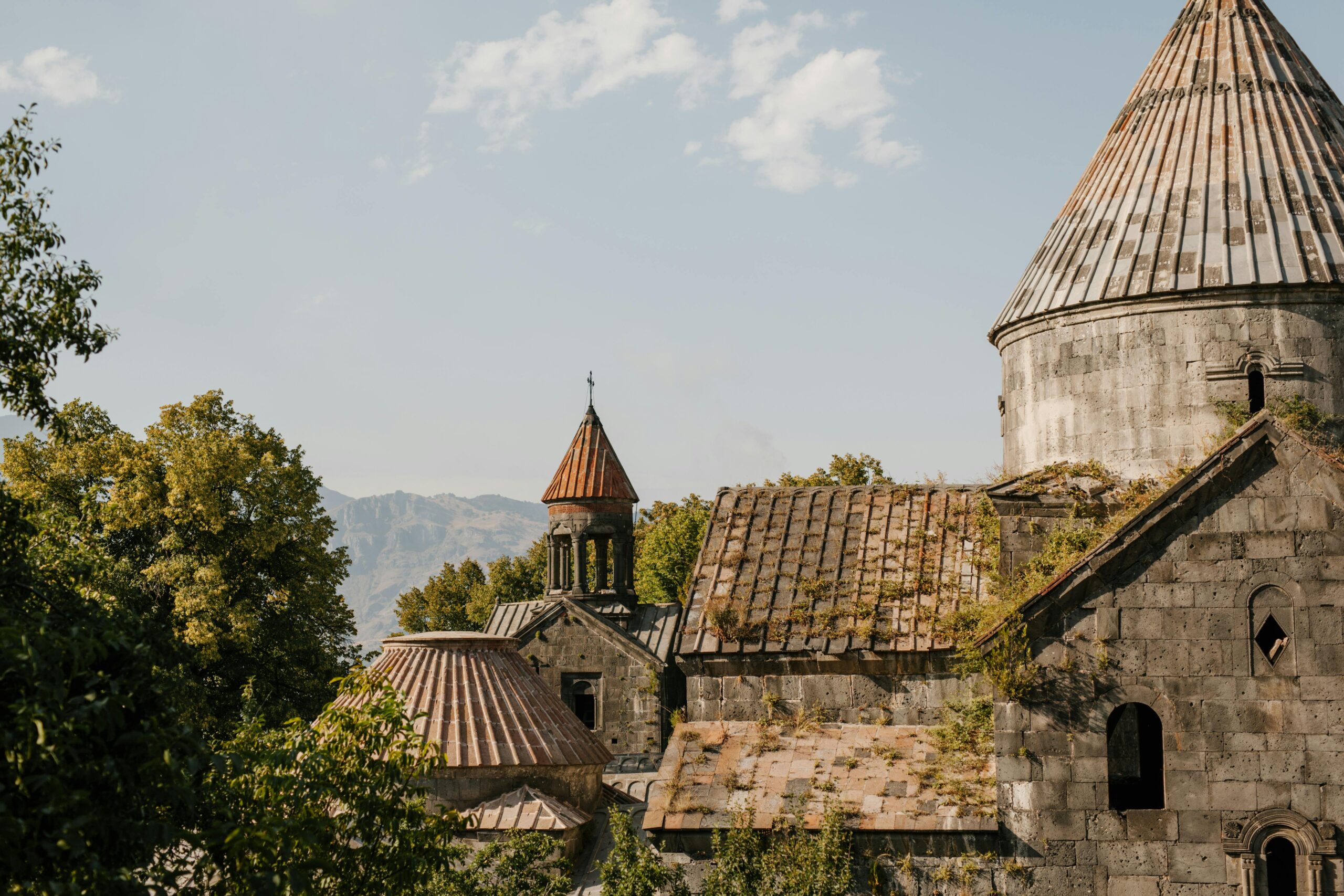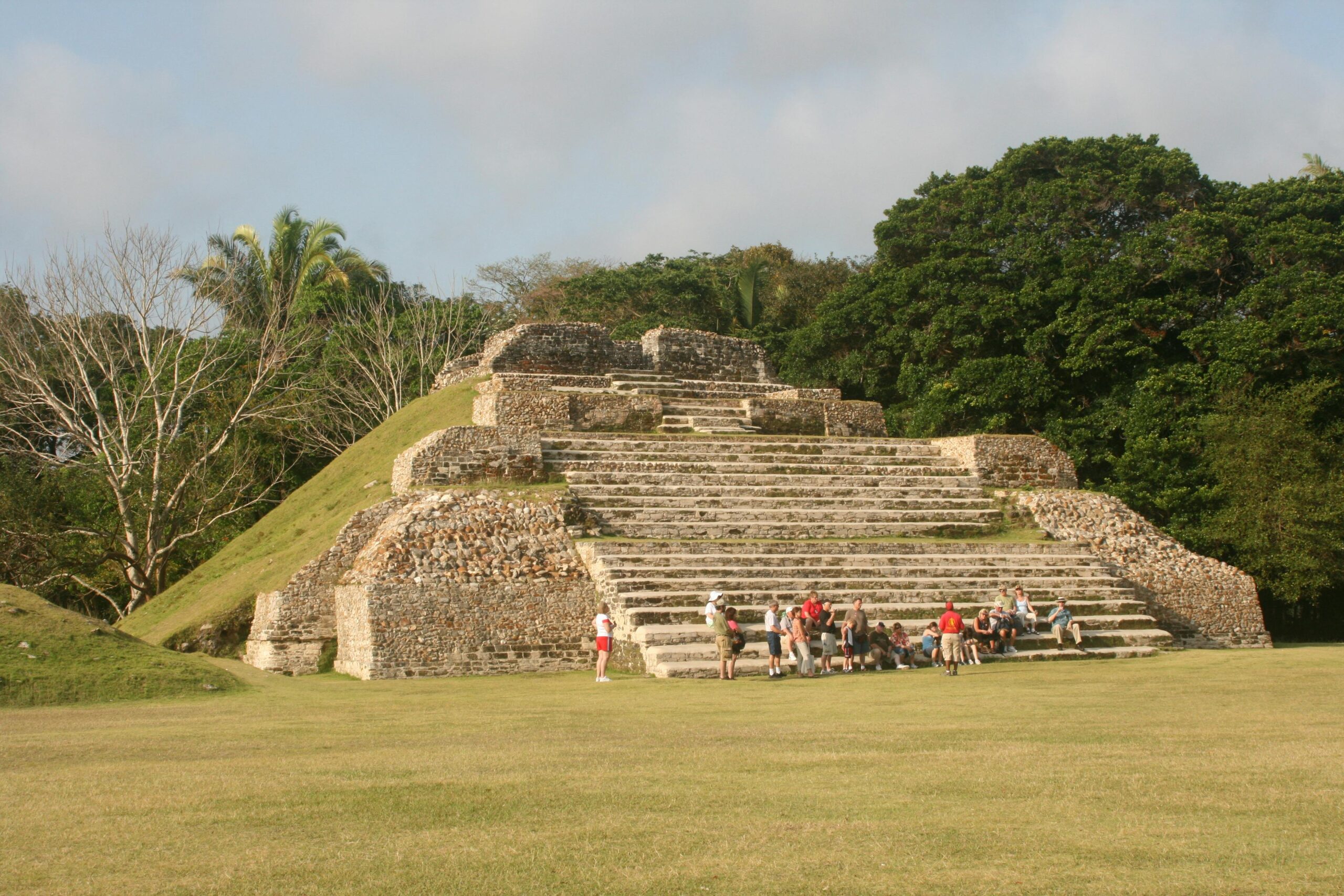
Beneath layers of contemporary sprawl and modern development, countless cities harbor extraordinary planning legacies waiting to be rediscovered and celebrated by urban enthusiasts worldwide.

🏛️ The Allure of Urban Archaeological Discovery
In an era dominated by megacities and gleaming metropolises, a growing movement of urban planners, historians, and passionate travelers are turning their attention toward forgotten cities. These overlooked urban environments—often bypassed by mainstream tourism and neglected in contemporary discourse—reveal fascinating stories about human settlement patterns, architectural innovation, and community organization that preceded modern planning principles.
The hidden gems of urban planning exist across every continent, from abandoned mining towns in the American West to medieval trading posts in Central Asia. What makes these forgotten cities particularly compelling is their ability to showcase organic development patterns, pre-industrial design philosophies, and adaptive strategies that modern planners are only now beginning to appreciate and reintegrate into contemporary practice.
Understanding these urban spaces requires more than cursory examination. It demands careful analysis of geographical constraints, historical contexts, economic imperatives, and cultural values that shaped each settlement’s unique character. Through this exploration, we gain invaluable insights into sustainable practices, community-centered design, and resilient infrastructure that remain relevant today.
📍 Defining the Forgotten: What Makes a City Overlooked?
Not all historically significant cities qualify as truly “forgotten.” The designation applies to urban centers that have experienced substantial decline in population, economic importance, or cultural visibility while retaining significant architectural and planning features worth studying. These cities often share common characteristics that led to their diminished status.
Economic shifts represent the primary catalyst for urban decline. When industries collapse, trade routes change, or natural resources deplete, cities built around these economic foundations often struggle to reinvent themselves. Mining towns throughout Nevada and Montana exemplify this pattern, as do former textile manufacturing centers across New England.
Transportation evolution has similarly relegated once-prominent cities to obscurity. Settlements strategically positioned along historical trade routes—whether caravan paths, river crossings, or early railway junctions—frequently lost relevance when infrastructure modernized. The development of interstate highway systems, container shipping, and air travel fundamentally altered which locations possessed strategic value.
Political changes also contribute to urban forgetting. Capital relocations, border redrawings, and geopolitical realignments can transform previously important administrative centers into peripheral backwaters. This phenomenon appears particularly evident in post-Soviet states, where former regional capitals now languish in relative anonymity.
🗺️ Methodologies for Urban Rediscovery
Uncovering the planning secrets of forgotten cities requires interdisciplinary approaches combining traditional historical research with cutting-edge technological tools. Archaeological techniques adapted for urban environments enable researchers to peel back layers of development, revealing earlier settlement patterns and infrastructure systems that influenced subsequent growth.
Ground-penetrating radar, LiDAR scanning, and drone photogrammetry have revolutionized urban archaeology. These technologies allow researchers to map subsurface features, document building facades in extraordinary detail, and create three-dimensional models of entire urban districts without invasive excavation. The application of these tools to forgotten cities yields unprecedented insights into historical planning decisions.
Archival research remains equally essential. Municipal records, property deeds, historical photographs, personal correspondence, and period newspapers provide invaluable context for understanding how cities evolved. Many forgotten cities possess surprisingly complete documentary records housed in regional archives, libraries, and historical societies awaiting scholarly attention.
Oral histories contribute irreplaceable perspectives, particularly for cities that experienced decline within living memory. Long-term residents retain institutional knowledge about how neighborhoods functioned, where community gathering spaces existed, and how infrastructure systems operated—information often absent from official records.
🏗️ Planning Principles from Abandoned Settlements
Forgotten cities offer masterclasses in adaptive planning that responded directly to environmental constraints and available resources. Unlike contemporary developments often imposed upon landscapes with minimal regard for natural features, historical settlements worked symbiotically with topography, climate, and ecosystems.
Water management systems in abandoned desert cities demonstrate remarkable sophistication. Ancient settlements throughout the Middle East, North Africa, and the American Southwest developed qanat systems, cisterns, and sophisticated drainage networks that maximized scarce water resources. These technologies, refined over centuries, frequently outperform modern water infrastructure in similar environments.
Defensive planning in medieval forgotten cities reveals complex spatial logic balancing security needs with commercial viability and livability. The strategic placement of gates, the configuration of streets to impede invasion while facilitating daily commerce, and the integration of defensive walls into residential architecture demonstrate multi-functional design thinking worth emulating.
Climate-responsive architecture appears prominently in forgotten cities across hot and cold regions alike. Narrow streets providing shade in Mediterranean settlements, wind-catching towers in Persian cities, and thermal mass construction in continental climates all represent time-tested passive environmental control strategies gaining renewed attention amid climate change concerns.
🌍 Notable Forgotten Cities Worth Studying
Certain forgotten cities stand out as particularly instructive examples of historical urban planning excellence. These locations, though diminished from their peaks, retain sufficient infrastructure and documentation to inform contemporary practice.
Pripyat, Ukraine: Modernist Soviet Planning Frozen in Time
Abandoned following the Chernobyl disaster, Pripyat represents a uniquely preserved example of 1970s Soviet urban planning philosophy. The city’s microdistrict organization, extensive green spaces, pedestrian-priority circulation, and comprehensive social infrastructure reflect planning ideals that transcended political systems. Despite its tragic abandonment, Pripyat offers valuable lessons about compact urban form and integrated amenity provision.
Ani, Turkey: Medieval Urbanism on the Silk Road
Once home to over 100,000 residents, this Armenian capital city showcased sophisticated medieval urban planning including advanced fortification systems, religious tolerance manifest in diverse architectural styles, and innovative commercial districts. The ruins reveal how medieval cities accommodated multiple communities while maintaining functional cohesion—lessons applicable to contemporary multicultural urban contexts.
Cahokia, United States: Pre-Columbian Urban Complexity
This sophisticated pre-Columbian city near modern St. Louis challenges assumptions about indigenous North American urbanism. Archaeological evidence reveals planned neighborhoods, monumental architecture, sophisticated astronomical alignments, and complex governance structures supporting populations comparable to medieval European cities. Cahokia demonstrates that advanced urban planning emerged independently across diverse cultural contexts.
Hampi, India: Sacred Urbanism and Water Engineering
The abandoned capital of the Vijayanagara Empire exemplifies how religious beliefs shaped urban form while practical considerations governed infrastructure. Hampi’s sophisticated water management system, including canals, reservoirs, and aqueducts, sustained a major city in a challenging semi-arid environment. The integration of sacred sites into functional urban fabric offers models for preserving cultural heritage within working cities.
💡 Lessons for Contemporary Urban Planning
The study of forgotten cities yields practical insights directly applicable to current planning challenges. These lessons often counter prevailing modernist assumptions, suggesting that contemporary practice might benefit from reconsidering historical approaches.
Human-scale development emerges as a consistent theme across successful historical cities. Before automotive transportation dominated planning, cities naturally evolved around pedestrian movement, creating neighborhoods where essential services existed within walking distance. This compact, mixed-use pattern—now branded as “New Urbanism”—actually represents the historical norm rather than innovation.
Material localism characterized pre-industrial construction, with buildings utilizing regionally available resources. This practice reduced transportation costs and environmental impacts while creating distinctive local architectural character. Contemporary sustainable building movements increasingly advocate returning to this principle, using local materials and traditional techniques adapted with modern understanding.
Incremental development allowed historical cities to adapt gradually to changing needs. Rather than comprehensive master plans implemented wholesale, neighborhoods evolved through countless small decisions by diverse stakeholders. This organic process created resilient urban fabrics capable of accommodating unforeseen changes—a flexibility often absent in rigidly planned contemporary developments.
Social infrastructure integration appears prominently in well-planned historical cities. Markets, religious buildings, public baths, and gathering spaces occupied central locations accessible to all residents. Modern planning’s tendency to segregate functions into discrete zones often undermines community cohesion in ways historical mixed-use patterns avoided.
🔍 Digital Tools for Virtual Exploration
Technology has democratized access to forgotten cities, enabling virtual exploration and study previously requiring extensive travel and resources. Digital reconstruction projects, online archives, and specialized applications bring these urban treasures to global audiences.
Virtual reality reconstructions allow immersive experiences of cities as they appeared at their peaks. Projects like the Rome Reborn initiative and various university-led reconstructions enable users to walk through historically accurate recreations, understanding spatial relationships and urban dynamics impossible to grasp from ruins alone.
Satellite imagery and mapping applications provide unprecedented access to remote forgotten cities. High-resolution imagery reveals urban patterns, infrastructure networks, and architectural details visible from overhead perspectives. Time-series satellite data documents how these cities continue evolving, whether through natural reclamation or contemporary intervention.
Crowdsourced documentation projects harness collective enthusiasm for preserving knowledge about forgotten cities. Platforms enabling users to upload photographs, share research, and collaborate on reconstructions create comprehensive digital archives that benefit researchers, educators, and curious explorers worldwide.
🌱 Preservation Challenges and Opportunities
Forgotten cities face unique preservation challenges stemming from their abandonment or decline. Without active maintenance, structures deteriorate rapidly, while lack of economic resources limits intervention options. However, this same neglect sometimes protects sites from insensitive modern development that destroys historical fabric in thriving cities.
Balancing preservation with adaptive reuse presents complex dilemmas. Strict preservation maintains historical authenticity but may preclude beneficial uses that could fund ongoing maintenance. Conversely, aggressive adaptive reuse generates resources but risks compromising the very qualities making sites historically significant.
Community engagement proves essential for successful preservation. Forgotten cities often retain small populations with deep connections to local heritage. Involving these communities in preservation decisions ensures culturally sensitive approaches while building local capacity for ongoing stewardship.
Sustainable tourism offers potential funding mechanisms for preservation while presenting risks. Carefully managed visitation generates revenue and awareness supporting conservation efforts. However, excessive tourism damages fragile sites and transforms authentic places into theme parks, destroying the quiet contemplation that makes forgotten cities spiritually and intellectually rewarding.
📚 Academic and Professional Resources
Growing interest in forgotten cities has spawned specialized academic programs, professional organizations, and research initiatives. These resources support both scholarly investigation and practical application of historical urban planning lessons.
University programs in historical preservation, urban archaeology, and heritage management increasingly incorporate forgotten cities into curricula. These programs train new generations of professionals equipped to document, analyze, and learn from overlooked urban environments.
Professional organizations like the Society for American Archaeology’s Historic Preservation Committee and various national archaeological institutes provide forums for sharing research, establishing best practices, and advocating for forgotten city preservation.
Online courses and educational resources make forgotten city studies accessible beyond formal academic settings. MOOCs, webinar series, and digital archives enable self-directed learning for passionate amateurs and professionals seeking continuing education.
🚀 Future Directions in Forgotten City Research
The field of forgotten city studies continues evolving as new technologies, methodologies, and perspectives emerge. Several promising directions suggest how this research may develop in coming years.
Climate change resilience represents an increasingly important research focus. Many forgotten cities survived for centuries in challenging environments using passive strategies and sustainable practices. Understanding these approaches informs contemporary efforts to build climate-resilient communities, particularly in vulnerable regions.
Comparative urbanism examining forgotten cities across diverse cultural contexts reveals universal planning principles while illuminating culture-specific approaches. This comparative work challenges Western-centric planning assumptions and promotes more inclusive, globally informed urban design.
Artificial intelligence and machine learning applications promise to accelerate forgotten city research. Pattern recognition algorithms can identify urban features in satellite imagery, predictive models can reconstruct missing infrastructure based on surviving evidence, and natural language processing can extract relevant information from vast archival collections.
🎯 Bringing Hidden Gems Into Contemporary Practice
The ultimate value of studying forgotten cities lies in applying historical lessons to contemporary challenges. Progressive planning practices increasingly draw inspiration from these overlooked precedents, demonstrating that old wisdom remains remarkably relevant.
Several contemporary developments explicitly reference historical precedents from forgotten cities. New urbanist communities incorporate traditional neighborhood structure, sustainable architecture movements revive vernacular building techniques, and complete streets initiatives restore pedestrian-priority circulation patterns common in pre-automotive cities.
Policy frameworks increasingly recognize heritage preservation’s role in sustainable development. UNESCO’s Historic Urban Landscape approach, for instance, advocates managing change in historic cities while maintaining character-defining features—principles equally applicable to forgotten cities experiencing renewed interest.
Professional practice benefits from forgotten city studies through expanded design vocabularies, deeper historical awareness, and appreciation for time-tested solutions. Architects and planners who study historical precedents develop richer palettes of possibilities than those relying exclusively on contemporary models.

✨ The Enduring Value of Urban Memory
Forgotten cities represent irreplaceable repositories of human ingenuity, cultural expression, and adaptive problem-solving. Each overlooked settlement contains unique solutions to universal challenges: how to shelter communities, organize collective life, and create meaningful places fostering human flourishing.
As contemporary cities grapple with sustainability challenges, social fragmentation, and identity crises, forgotten cities offer alternative models demonstrating that other approaches remain possible. They remind us that current planning orthodoxies represent merely one moment in urban evolution, not inevitable endpoints.
The work of rediscovering these hidden gems continues, driven by passionate researchers, dedicated preservationists, and curious explorers. Each newly documented site, each analyzed planning principle, and each lesson applied to contemporary practice enriches our collective understanding of what cities can be.
By looking backward to these forgotten places, we gain fresh perspectives for moving forward. The urban planning wisdom embedded in overlooked cities—accumulated through centuries of trial, error, and refinement—provides invaluable guidance for creating more livable, sustainable, and meaningful communities in the challenging decades ahead.