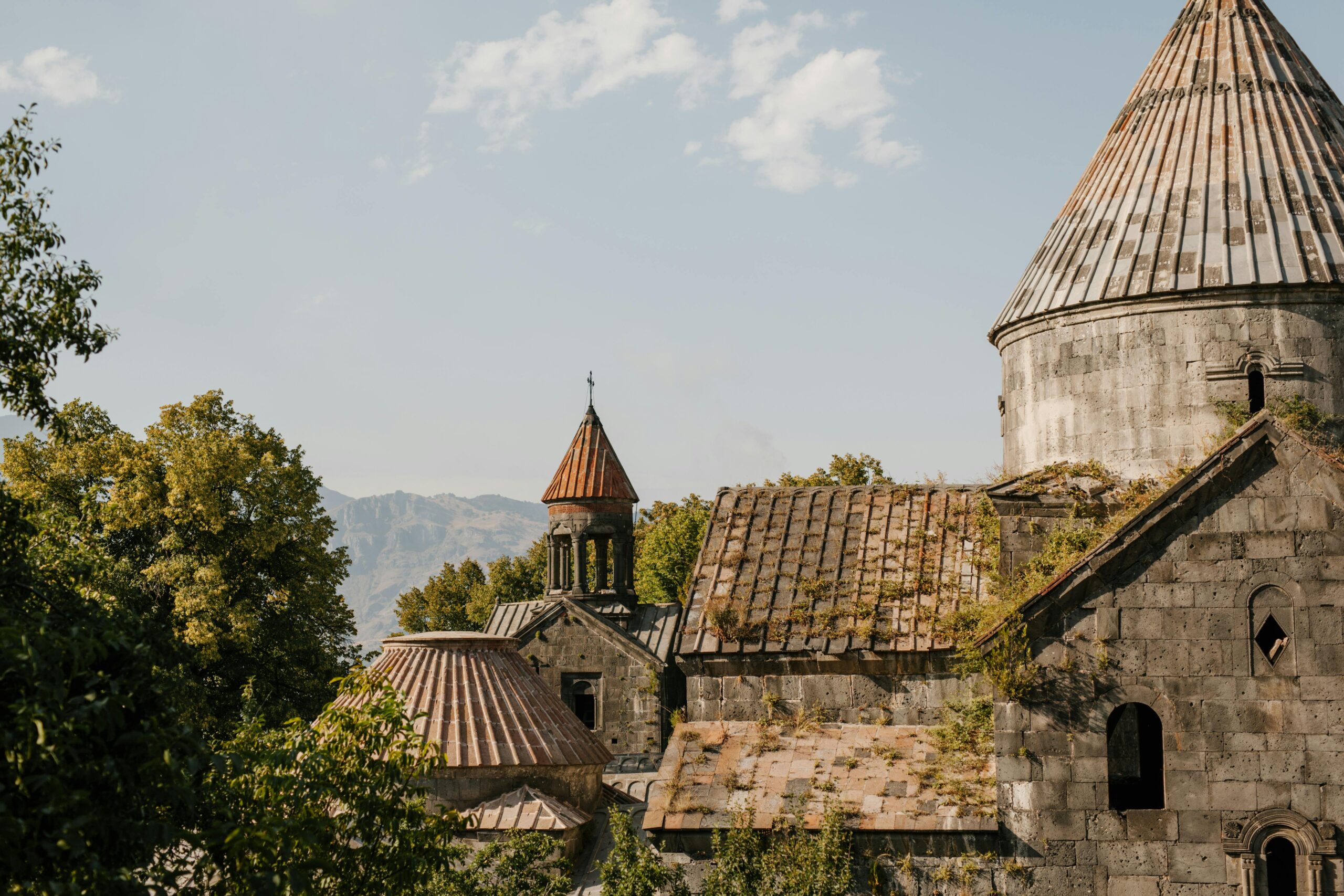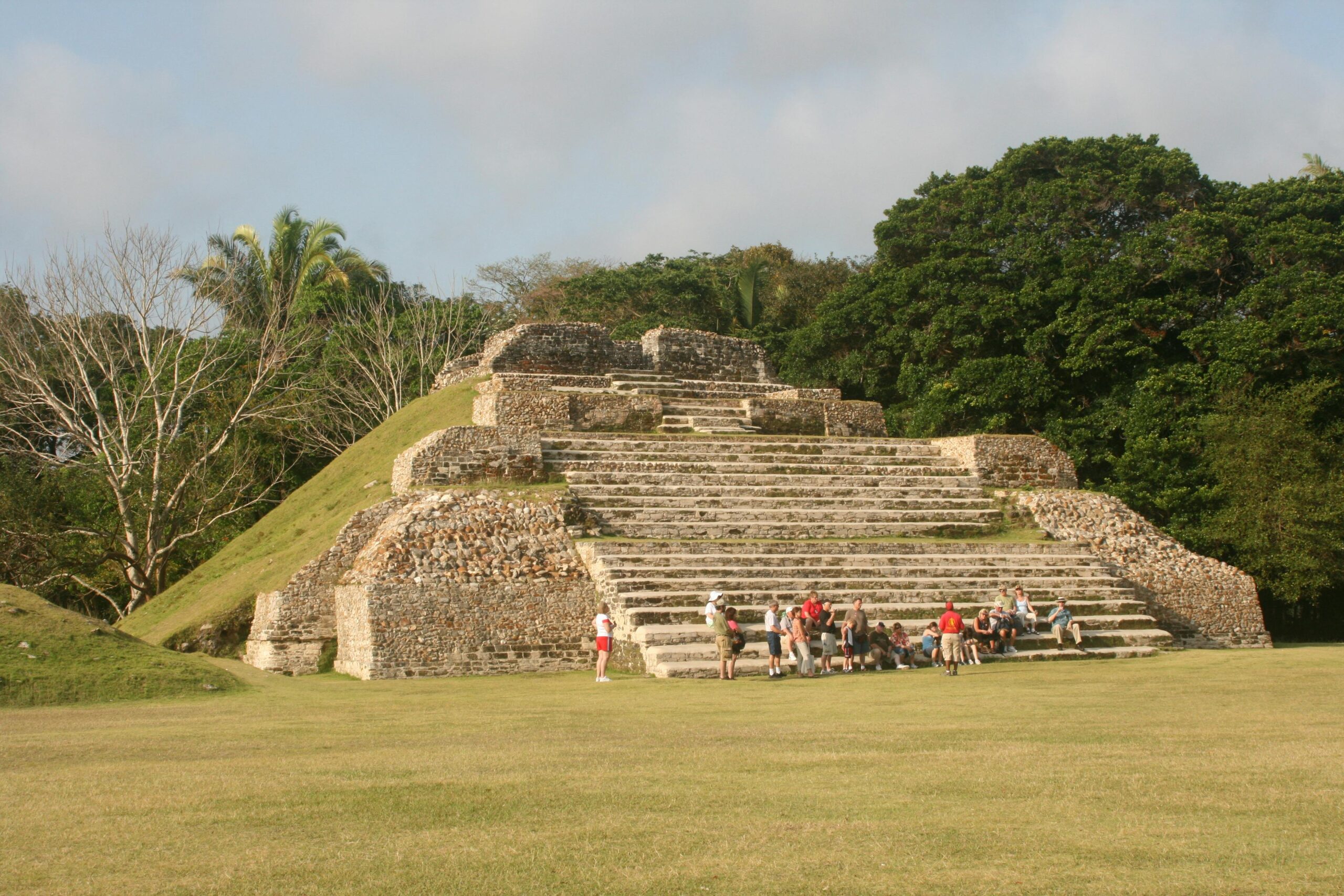
The digital revolution has opened unprecedented opportunities to safeguard humanity’s cultural heritage, transforming how we preserve and share historical treasures with future generations.

🏛️ Why Digital Archiving Matters More Than Ever
Our collective past faces numerous threats, from natural disasters and climate change to human conflicts and simple neglect. Ancient manuscripts crumble, archaeological sites erode, and historical artifacts deteriorate despite our best conservation efforts. Digital archiving emerges as a crucial solution, creating permanent, accessible copies of irreplaceable cultural treasures that might otherwise be lost forever.
The destruction of Palmyra in Syria and the fire at Brazil’s National Museum serve as stark reminders of how fragile our cultural heritage truly is. These catastrophic losses have accelerated efforts worldwide to digitally document historical sites, artifacts, and documents before they vanish. Digital preservation doesn’t replace physical conservation, but it provides an insurance policy against the unthinkable.
Modern technology allows us to capture details invisible to the naked eye, creating high-resolution 3D models, infrared scans, and multispectral imaging that reveal hidden layers of history. These digital archives become research tools, educational resources, and virtual museums accessible to anyone with an internet connection, democratizing access to humanity’s shared heritage.
Cutting-Edge Technologies Transforming Historical Preservation
3D Scanning and Photogrammetry
Three-dimensional scanning technology has revolutionized how we document archaeological sites and artifacts. Using laser scanners or photogrammetry techniques, preservationists create precise digital replicas of objects, from tiny pottery shards to entire temple complexes. These models capture measurements accurate to millimeters, preserving spatial relationships and surface textures that traditional photography cannot convey.
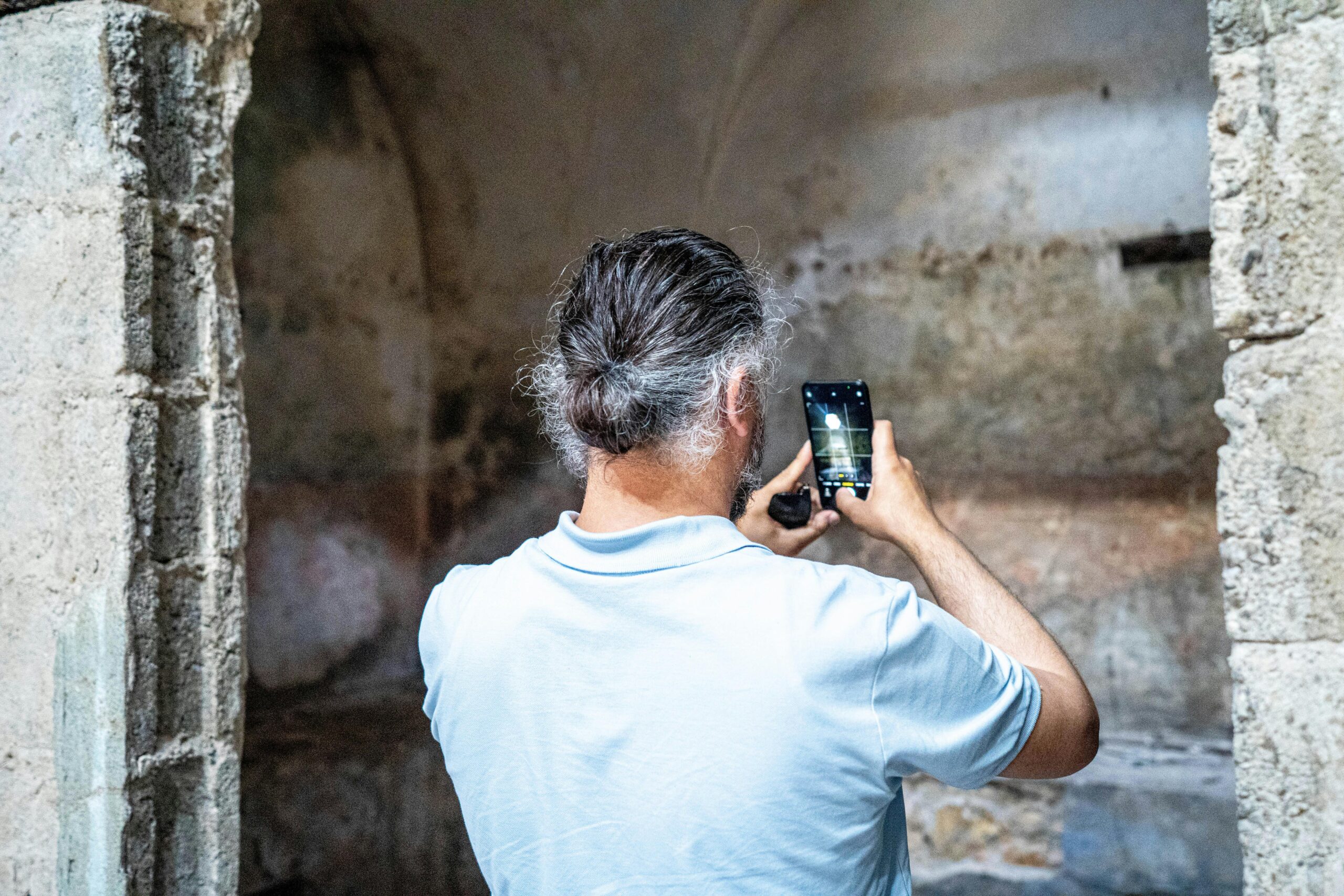
Photogrammetry, which constructs 3D models from multiple photographs, has become particularly popular due to its accessibility and cost-effectiveness. Archaeologists working in remote locations can now document discoveries using professional cameras or even smartphones, processing images with specialized software to create detailed models viewable from any angle.
Advanced Imaging Technologies
Beyond visible light photography, digital archiving employs multiple imaging technologies to uncover hidden information. Multispectral imaging captures data across various wavelengths, revealing faded texts on ancient manuscripts, hidden paintings beneath famous artworks, and details obscured by age or damage. Infrared reflectography penetrates surface layers to expose preliminary sketches and alterations made by original artists.
X-ray fluorescence (XRF) spectroscopy identifies chemical compositions of pigments and materials without damaging artifacts. These non-invasive techniques provide insights into ancient manufacturing methods, trade routes, and authentication, while simultaneously creating permanent digital records of these analyses for future researchers.
Virtual and Augmented Reality Applications
Virtual reality (VR) transforms static digital archives into immersive experiences, allowing users to walk through reconstructed ancient cities, examine artifacts from all angles, and experience historical sites as they appeared centuries ago. Museums worldwide now offer VR experiences that transport visitors to excavation sites or inside sealed tombs without risking damage to fragile originals.
Augmented reality (AR) overlays digital information onto physical spaces, enabling visitors to see reconstructions superimposed on ruins or access additional context while viewing museum displays. These technologies make history engaging for younger generations while preserving scholarly accuracy.
📚 Digital Initiatives Reshaping Cultural Heritage
The Google Arts & Culture Platform
Google Arts & Culture has partnered with thousands of museums and cultural institutions worldwide to digitize collections and make them freely accessible online. The project uses high-resolution gigapixel photography to capture artworks in extraordinary detail, allowing viewers to see brushstrokes and textures invisible even to museum visitors standing before the physical pieces.
The platform’s Street View technology has documented heritage sites across six continents, creating virtual tours of locations ranging from Angkor Wat to the Palace of Versailles. These digital records serve multiple purposes: tourism promotion, educational resources, and irreplaceable documentation should disaster strike.
UNESCO’s Memory of the World Programme
UNESCO’s initiative focuses on preserving documentary heritage of global significance, coordinating digitization efforts for manuscripts, rare books, photographs, and audio-visual materials. The programme establishes standards for digital preservation, ensuring archives remain accessible as technology evolves and file formats become obsolete.
Participating institutions follow best practices for scanning resolution, metadata creation, and long-term storage, building a comprehensive digital library that transcends national boundaries and makes cultural treasures available to researchers worldwide.
The Digital Public Library of America
The DPLA aggregates content from libraries, archives, and museums across the United States, providing centralized access to millions of digitized items including photographs, manuscripts, books, and historical documents. This free resource demonstrates how digital archiving can democratize access to information previously available only to those who could travel to specific repositories.
⚙️ Technical Challenges in Digital Preservation
Data Storage and Longevity
Creating digital archives represents only the first step; ensuring these files remain accessible for decades or centuries poses significant challenges. Storage media degrades over time, and file formats become obsolete as technology advances. Organizations must implement robust strategies including multiple backup copies, regular migration to current storage systems, and format refreshing to prevent data loss.
Cloud storage offers scalability and redundancy, but raises concerns about corporate stability and ongoing costs. Many institutions employ hybrid approaches, maintaining local servers while utilizing cloud services for additional backup and public access. The key lies in continuous active management rather than simply storing files and forgetting them.
Standardization and Interoperability
The digital archiving community struggles with competing standards for file formats, metadata schemas, and documentation practices. Without consistent approaches, archives become isolated silos rather than interconnected resources. International organizations work to establish common frameworks, but achieving universal adoption remains challenging given the diverse needs of different institutions and artifact types.
Metadata—the descriptive information accompanying digital files—proves crucial for discoverability and context. Comprehensive metadata includes not only basic identifying information but also details about digitization methods, provenance, condition reports, and associated scholarly research, transforming raw digital files into valuable research resources.
Color Accuracy and Resolution Standards
Reproducing colors accurately presents technical difficulties, as lighting conditions, camera sensors, and display screens all introduce variations. Archivists use calibrated equipment and color reference charts to ensure fidelity, but perfect reproduction remains elusive. Documentation of capture conditions and equipment specifications helps future users understand any limitations.
Resolution requirements vary by artifact type and intended use. While high-resolution captures provide more detail and flexibility, they also generate massive file sizes demanding greater storage capacity and processing power. Institutions must balance quality against practical constraints, often creating multiple versions optimized for different purposes.
🌍 Global Collaboration and Open Access
Digital archiving succeeds best through international cooperation, as cultural heritage transcends modern political boundaries. Artifacts scattered across museums worldwide due to historical collecting practices can be virtually reunited through digital platforms, allowing researchers to study complete collections regardless of physical location.
Open access initiatives make digitized materials freely available without paywalls or restrictive licensing, maximizing educational and research value. While institutions may worry about losing revenue from image licensing, evidence suggests open access increases visibility and engagement without significantly impacting funding. Many organizations adopt tiered approaches, offering low-resolution images freely while charging for commercial-quality reproductions.
Developing nations often possess extraordinary cultural heritage but lack resources for extensive digitization projects. International partnerships and funding programs help bridge this gap, though concerns about digital colonialism arise when wealthy institutions control access to other cultures’ heritage. Collaborative models that respect source communities and build local capacity represent the most ethical approach.
Educational Opportunities Through Digital Archives
Digital archives transform education by bringing primary source materials directly to students worldwide. Rather than relying solely on textbook descriptions, learners can examine actual historical documents, analyze ancient artifacts, and develop critical thinking skills through direct engagement with evidence.
Teachers create virtual field trips to archaeological sites and museums that students might never visit physically, making history tangible and exciting. Interactive features allow learners to manipulate 3D models, compare artifacts across cultures, and explore connections between historical events and material culture.
Higher education benefits equally, as researchers access collections from their institutions without traveling, reducing costs and environmental impact. Scholars worldwide collaborate by examining the same digital objects simultaneously, accelerating research and fostering international academic communities.
💡 Crowdsourcing and Community Engagement
Digital archiving projects increasingly harness public participation to transcribe documents, tag photographs, and identify subjects in historical images. These crowdsourcing initiatives accomplish tasks that would overwhelm professional staff while building public engagement with cultural heritage.
Platforms like Zooniverse host projects where volunteers help classify archaeological features in satellite imagery, transcribe handwritten documents, or identify species in historical natural history illustrations. Participants gain appreciation for research processes while contributing meaningfully to knowledge creation.
Local communities possess invaluable knowledge about their own heritage that outside experts may lack. Digital projects that include community members as partners rather than passive subjects produce richer, more accurate documentation while fostering local ownership and sustainability.
Legal and Ethical Considerations
Copyright and Intellectual Property
Copyright laws create complications for digital archiving, as legal protections extend decades beyond creation dates. Orphan works—materials whose copyright holders cannot be identified or located—pose particular challenges, as institutions risk liability by making them accessible despite good-faith efforts to secure permissions.
Different jurisdictions maintain varying copyright terms and exceptions for cultural institutions, complicating international collaborations. Some countries have enacted specific provisions supporting preservation digitization, recognizing the public interest in access to cultural heritage, while others maintain stricter protections that hinder archiving efforts.
Indigenous Rights and Cultural Sensitivity
Digital archives must respect the rights and wishes of source communities, particularly regarding sacred objects, ceremonial materials, or sensitive information. Indigenous groups worldwide have advocated for protocols that acknowledge their ongoing connections to cultural items held in distant museums.
Some materials should not be digitized or made publicly accessible due to cultural restrictions. Others might be shared only with community members or accompanied by contextual information provided by cultural authorities. Ethical digital archiving requires ongoing dialogue and relationship-building, not simply digitizing everything possible.
🔮 The Future of Digital Heritage Preservation
Artificial intelligence and machine learning promise to revolutionize digital archiving by automating time-consuming processes like metadata creation, artifact classification, and condition monitoring. AI algorithms can analyze thousands of objects to identify patterns, detect forgeries, or reconstruct damaged texts with increasing accuracy.
Blockchain technology offers potential solutions for provenance tracking and authenticity verification, creating immutable records of ownership and movement that combat looting and forgery. Smart contracts could automate permissions and attribution, ensuring proper credit and compensation when digital materials are reused.
Quantum computing might eventually enable simulations of deterioration processes, helping conservators predict and prevent damage. As computational power increases, digital models could incorporate environmental data, material properties, and aging factors to become predictive tools for preservation planning.
Building Sustainable Digital Archives
Long-term sustainability requires institutional commitment beyond initial enthusiasm. Organizations must budget for ongoing maintenance, staff training, and technology updates, recognizing that digital preservation is a continuous process rather than a one-time project. Funding models that support perpetual access remain challenging to establish.
Partnerships between institutions can distribute costs and expertise, creating networks of shared infrastructure and knowledge. Regional consortia pool resources for storage systems, digitization equipment, and technical staff, achieving economies of scale that individual organizations cannot match alone.
Education and training programs must prepare the next generation of digital archivists, combining traditional preservation knowledge with technical skills in imaging, data management, and emerging technologies. Professional development opportunities help current practitioners adapt to rapidly evolving tools and methodologies.
Inspiring Hope for Humanity’s Shared Legacy
Digital archiving represents one of the most important undertakings of our era, ensuring that future generations inherit access to the full richness of human cultural achievement. Every digitized manuscript, photographed artifact, and scanned architectural detail strengthens the bridge between past and future, preserving not just objects but the stories, knowledge, and creativity they embody.
The challenges are substantial—technical, financial, legal, and ethical—but the stakes justify the effort. As climate change accelerates, conflicts continue, and natural deterioration progresses, digital archives may become the only surviving records of irreplaceable cultural treasures. By investing in comprehensive, thoughtful digitization now, we fulfill our responsibility as temporary custodians of humanity’s heritage.
Success requires collaboration across borders, disciplines, and sectors, uniting technologists, scholars, conservators, and communities in common purpose. The digital archives we build today will serve researchers centuries hence, answer questions we cannot yet imagine, and inspire wonder in people not yet born. This profound legacy makes digital preservation not merely worthwhile but essential—a gift from our present to all possible futures. 🌟