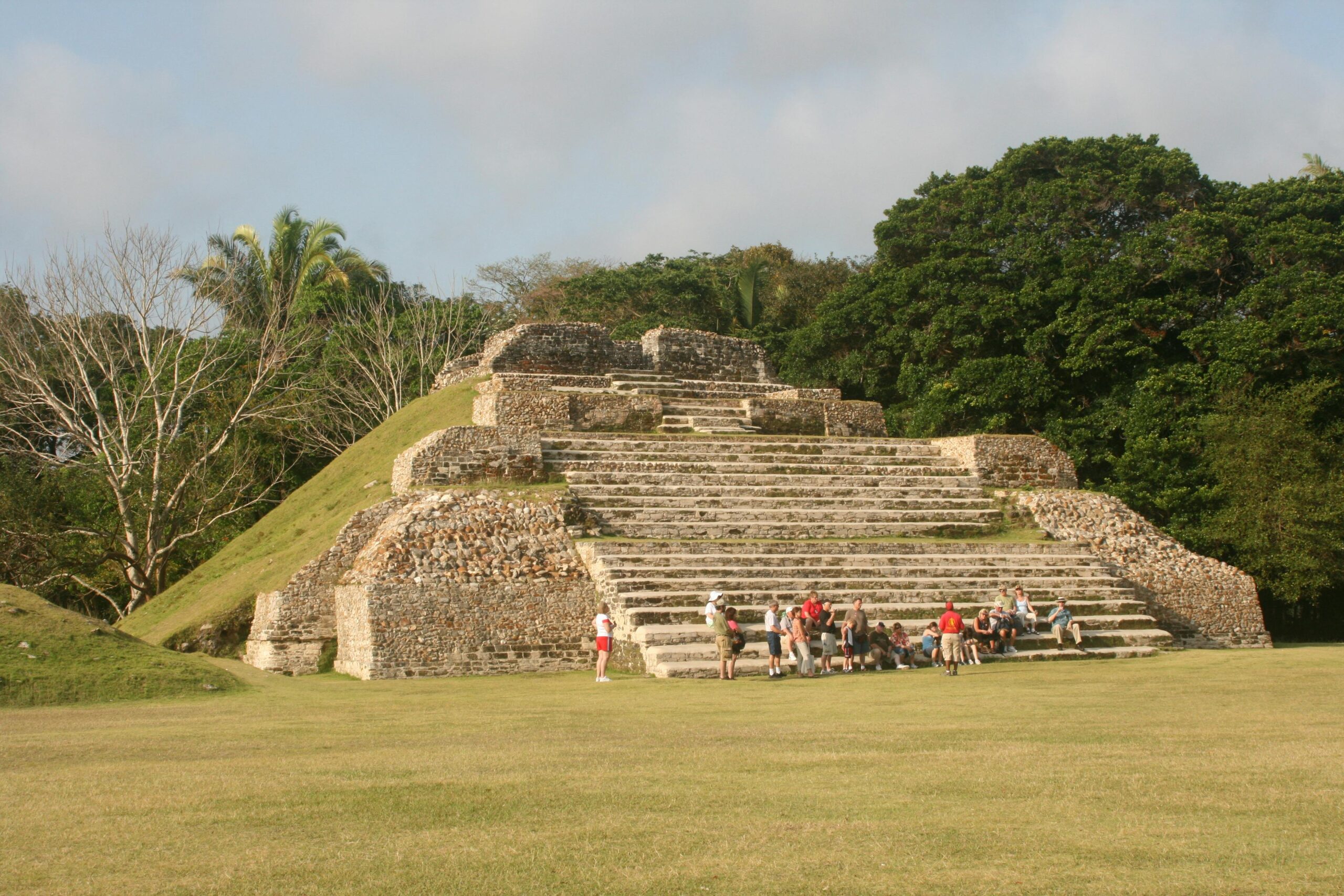
In an age dominated by digital convenience, forgotten archive sites hold untold stories waiting to be discovered by curious minds and dedicated researchers alike.

🗝️ The Allure of Forgotten Archives in the Digital Age
The internet has transformed how we access information, yet countless digital and physical archives remain overlooked, underutilized, or completely forgotten. These repositories contain everything from century-old photographs and historical documents to rare recordings and forgotten correspondence that could reshape our understanding of the past.
Archive sites serve as time capsules, preserving moments that might otherwise vanish into obscurity. Unlike mainstream resources that appear in standard search results, these hidden gems require dedication, curiosity, and sometimes a bit of detective work to uncover. The treasures within these forgotten spaces often reveal perspectives missing from conventional historical narratives.
Many researchers, genealogists, historians, and curious individuals are now turning their attention to these neglected digital repositories. The thrill of discovery—finding that one document, photograph, or recording that answers long-standing questions—drives this modern form of treasure hunting.
📚 Types of Forgotten Archive Sites Worth Exploring
Archive sites come in various forms, each offering unique windows into different aspects of history. Understanding these categories helps researchers target their searches more effectively and uncover materials most relevant to their interests.
Government and Institutional Archives
National archives, regional government repositories, and institutional collections often house vast amounts of digitized materials. While some sections receive regular attention, many specialized collections remain largely unexplored. These might include municipal records, court documents, land surveys, and administrative correspondence that provide granular details about daily life in past eras.
Local government websites frequently maintain historical sections that rarely appear in search engine results. These can contain everything from old city planning documents to historical photographs of community events, offering invaluable resources for local historians and genealogy enthusiasts.
University and Academic Collections
Universities worldwide have digitized significant portions of their special collections, but many remain poorly indexed or hidden behind library portals. These archives often contain personal papers of notable figures, rare books, manuscript collections, and research materials that scholars donated over decades.
The value of university archives extends beyond academic research. They frequently contain cultural materials, oral histories, and documentation of social movements that provide authentic voices from the past.
Newspaper and Media Archives
Historical newspaper collections represent some of the most fascinating yet underutilized archives available. While major publications have digitized their back catalogs, numerous small-town newspapers, trade publications, and specialized periodicals remain accessible only through obscure databases or poorly promoted websites.
These publications offer unfiltered glimpses into past concerns, advertisements that reveal consumer culture, and local news stories that never made national headlines but shaped individual communities profoundly.
Specialized Subject Archives
Beyond general historical repositories, specialized archives focus on specific subjects, professions, or communities. These might include military service records, medical history collections, architectural drawings, patent documents, or entertainment industry materials.
Such focused collections often contain incredible depth on niche topics, making them invaluable for researchers pursuing specific angles or trying to piece together detailed narratives about particular subjects.
🔍 Strategies for Discovering Hidden Archive Sites
Finding forgotten archives requires methodical approaches and creative thinking. Unlike standard internet searches, locating these resources often involves following indirect paths and exploring connections between institutions and collections.
Advanced Search Techniques
Standard search engines can locate archives if you employ specific strategies. Using site-specific searches (site:.edu archive, site:.gov historical documents) helps narrow results to institutional websites. Including terms like “digital collection,” “special collections,” or “institutional repository” alongside your research topic increases the likelihood of discovering relevant archives.
Boolean operators and quotation marks refine searches considerably. Combining specific date ranges, geographic locations, and subject terms helps filter through vast amounts of information to locate precisely what you need.
Following Institutional Links
Many archives remain interconnected through professional networks and shared catalog systems. Exploring the “related collections” or “partner institutions” sections of known archives often leads to lesser-known repositories with complementary materials.
Professional organizations for archivists, historians, and librarians maintain directories of member institutions. These listings provide direct pathways to specialized collections that rarely appear in general searches.
Social Media and Community Networks
Archivists and historians actively share discoveries and resources through social media platforms, particularly Twitter, Reddit, and specialized forums. Following relevant hashtags and joining communities focused on historical research can alert you to newly digitized collections and obscure resources.
Many archives maintain social media presences where they highlight interesting items from their collections, effectively serving as discovery tools for researchers who might not otherwise know these resources exist.
💎 Notable Examples of Forgotten Archive Treasures
Throughout recent years, researchers have uncovered remarkable finds in overlooked archives, demonstrating the continued value of thorough exploration and persistent inquiry.
Photographic Collections
Municipal archives have yielded stunning photographic collections documenting urban development, social conditions, and daily life in ways that professional historical photography often missed. Amateur photographers, police departments, and city planning offices created extensive visual records that now provide irreplaceable historical evidence.
In several cases, researchers have discovered entire photographic studios’ archives, containing portraits, commercial photography, and candid shots that capture authentic moments rather than staged historical scenes.
Personal Correspondence and Diaries
Letters and diaries donated to archives decades ago often remain unprocessed or minimally cataloged. These personal writings provide intimate perspectives on historical events, revealing emotional responses, daily concerns, and individual experiences that complement official historical records.
Such documents humanize history, transforming abstract events into lived experiences. They reveal how ordinary people understood and responded to the significant moments of their times.
Audio and Video Materials
Oral history projects, radio broadcasts, documentary footage, and home movies preserved in archives offer voices and images from the past. These materials provide context that written documents cannot convey, including accents, speech patterns, emotional tones, and visual details of environments and appearances.
Many broadcasting organizations and educational institutions recorded interviews, lectures, and events that were never widely distributed but now represent valuable historical resources.
🛠️ Tools and Resources for Archive Exploration
Modern technology provides numerous tools that facilitate archive research, making it easier to locate, access, and analyze historical materials across multiple repositories.
Digital Preservation Platforms
Several platforms aggregate digital collections from multiple institutions. The Digital Public Library of America, Europeana, and similar services create centralized access points for distributed collections, though they represent only a fraction of available materials.
Understanding these platforms’ coverage limitations helps researchers recognize when they need to search beyond aggregated collections to find specialized materials.
Database and Catalog Systems
Learning to navigate library catalog systems and archival finding aids proves essential for effective research. These tools use specialized terminology and organizational systems that differ from standard internet searches.
Many institutions use similar catalog software, meaning skills learned in one system transfer readily to others. Investing time in understanding these interfaces pays dividends across multiple research projects.
Digitization Request Services
Not all archival materials have been digitized. However, many institutions offer digitization-on-demand services where researchers can request specific items be scanned. Understanding these processes and associated costs helps researchers access materials that aren’t yet publicly available online.
Building relationships with archivists often facilitates access to materials and helps researchers understand collection contents beyond what catalogs reveal.
📖 Ethical Considerations in Archive Research
Exploring archives comes with responsibilities to the materials, the subjects they document, and future researchers who will use these resources.
Privacy and Sensitivity
Historical archives often contain personal information about individuals who never anticipated public access to their documents. Researchers must balance historical inquiry with respect for privacy, particularly regarding recent materials or sensitive subjects.
Many archives implement access restrictions on certain materials for specific periods, protecting privacy while ensuring eventual historical access. Understanding and respecting these limitations maintains ethical research standards.
Accurate Attribution and Citation
Properly crediting archival sources ensures other researchers can locate and verify materials. Detailed citations that include collection names, box and folder numbers, and institutional information enable reproducible research.
When sharing archival discoveries, particularly on social media or in popular publications, providing complete source information helps drive traffic to archives, supporting their continued operation and digitization efforts.
Copyright and Usage Rights
The presence of materials in archives doesn’t automatically grant usage rights. Understanding copyright law, public domain status, and institutional usage policies prevents legal issues and respects creators’ rights.
Many archives provide guidance on copyright status and can often connect researchers with rights holders when necessary for publication or reproduction.
🌟 Transforming Discoveries into Knowledge
Finding treasures in forgotten archives represents only the beginning. Contextualizing, analyzing, and sharing these discoveries transforms raw materials into meaningful historical knowledge.
Contextual Research
Individual documents gain significance through context. Understanding the circumstances of creation, the relationships between people mentioned, and the broader historical moment illuminates meanings that aren’t immediately apparent.
Cross-referencing archival finds with other sources—contemporary newspapers, official records, published accounts—builds comprehensive understanding and reveals contradictions, biases, or gaps in existing historical narratives.
Digital Humanities Approaches
Modern analytical tools allow researchers to examine large collections in new ways. Text analysis, network visualization, and geographic mapping reveal patterns invisible to traditional close reading approaches.
These methods don’t replace careful examination of individual documents but complement traditional research by identifying promising areas for deeper investigation.
Public History and Sharing
Archival discoveries benefit broader audiences when researchers share them through accessible formats. Blog posts, social media threads, podcasts, and public presentations bring forgotten histories to people who might never visit archives themselves.
Such sharing also advocates for continued archive funding and support, demonstrating these institutions’ ongoing value to contemporary society.
🚀 The Future of Forgotten Archives
Archive landscapes continue evolving as technology advances and institutional priorities shift. Understanding emerging trends helps researchers anticipate future opportunities and challenges.
Artificial Intelligence and Automation
AI tools increasingly assist with transcription, translation, and cataloging of archival materials. These technologies promise to make vast collections searchable and accessible in ways previously impossible given limited staff and resources.
However, automation also risks missing nuances that trained archivists recognize. The most effective approaches will likely combine technological efficiency with human expertise and judgment.
Community Archives and Grassroots Preservation
Beyond traditional institutions, community groups increasingly create archives documenting underrepresented histories. These grassroots efforts preserve materials that mainstream institutions overlooked or actively excluded.
Such archives offer perspectives often missing from official historical records, though they may lack the resources and infrastructure of established repositories.
Sustainability Challenges
Digital preservation presents ongoing challenges. File formats become obsolete, storage media degrades, and institutional funding fluctuates. The materials available today might become inaccessible tomorrow without continued preservation efforts.
Researchers can support archives by using their services, acknowledging their contributions, and advocating for adequate funding to ensure long-term preservation of cultural heritage.
🎯 Starting Your Own Archive Adventure
Anyone with curiosity and internet access can begin exploring forgotten archives today. The journey requires patience, systematic approaches, and willingness to follow unexpected leads, but the rewards justify the effort.
Start with topics that genuinely interest you. Passion sustains research through inevitable frustrations and dead ends. Whether you’re investigating family history, local heritage, or broader historical questions, archives contain materials waiting for someone to discover their significance.
Document your search process. Recording which archives you’ve consulted, search terms you’ve used, and leads you’ve followed prevents duplicated effort and helps you recognize patterns in how materials are organized across institutions.
Connect with others pursuing similar research. Online communities, local historical societies, and academic groups provide support, answer questions, and share resources that accelerate your learning and expand your access to materials.
Remember that every major historical discovery began with someone deciding to look where others hadn’t. Forgotten archives remain filled with stories, evidence, and perspectives waiting for curious researchers to bring them back into light and consciousness.
The treasures hiding in overlooked archives aren’t just historical artifacts—they’re connections to human experiences, evidence of forgotten struggles and achievements, and pieces of the complex puzzle that forms our collective past. By exploring these forgotten spaces, we ensure that valuable voices and stories don’t disappear entirely, but instead contribute to richer, more complete understandings of history.