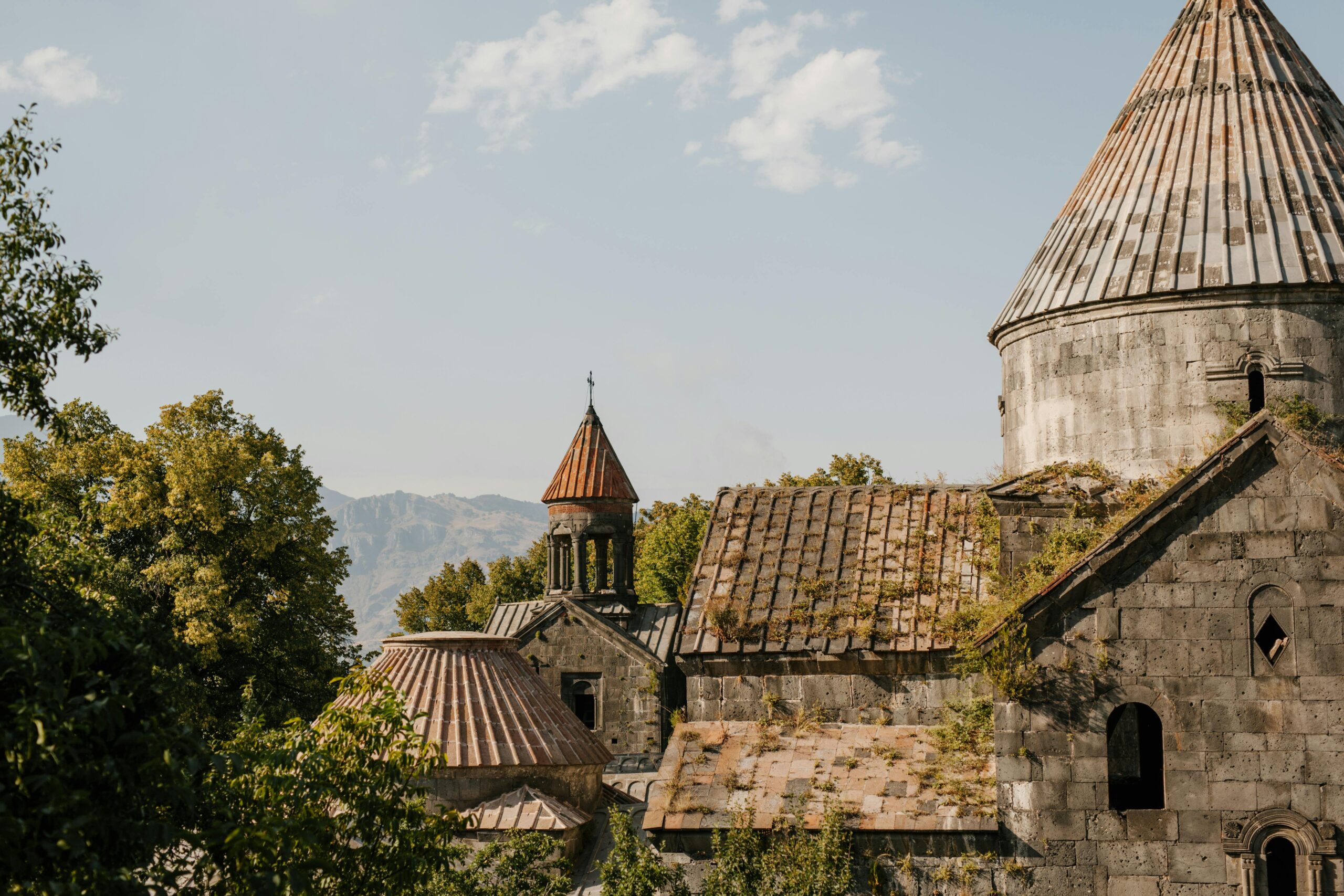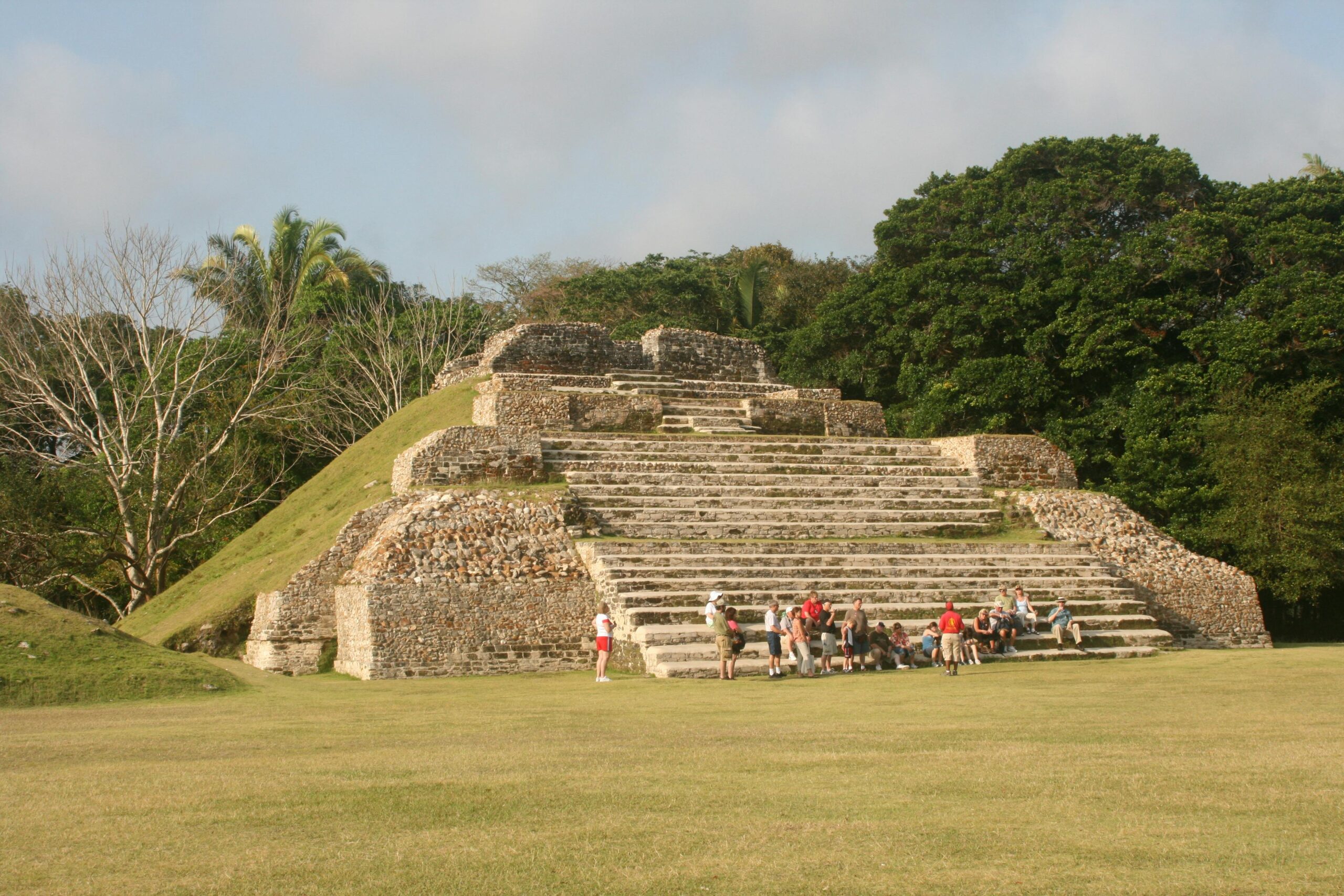
The Silk Road remains one of history’s most transformative networks, weaving together continents through trade, culture, and groundbreaking intellectual exchange that shaped civilizations.

🌏 The Ancient Networks That Connected Worlds
Long before the digital age connected humanity through fiber optic cables and satellite signals, the Silk Road served as the world’s first global information superhighway. Stretching over 4,000 miles from China’s ancient capital of Chang’an to the Mediterranean shores, this intricate web of trade routes facilitated more than just the exchange of silk, spices, and precious metals. It became the conduit through which ideas, philosophies, scientific discoveries, and artistic innovations flowed freely across diverse civilizations.
The term “Silk Road” itself, coined by German geographer Ferdinand von Richthofen in the 19th century, barely captures the magnitude of intellectual cross-pollination that occurred along these routes. Merchants, scholars, monks, and travelers didn’t just transport goods—they carried manuscripts, mathematical concepts, religious texts, and technological blueprints that would revolutionize societies thousands of miles from their origin points.
📚 Knowledge as the Ultimate Commodity
While silk fabrics dazzled Roman aristocrats and Chinese porcelain graced Persian tables, the most valuable cargo traveling the Silk Road was often invisible to the casual observer. Buddhist monks carried sutras from India to China, translating sacred texts that would transform East Asian spiritual life. Islamic scholars transported Greek philosophical treatises, preserving and expanding upon classical knowledge that Europe had forgotten during its Dark Ages.
The House of Wisdom in Baghdad became a legendary center of learning during the Islamic Golden Age, directly benefiting from Silk Road connections. Scholars there translated Sanskrit mathematical texts, Chinese medical treatises, and Greek scientific works into Arabic, creating a multicultural repository of human knowledge. This intellectual synthesis produced groundbreaking advances in algebra, astronomy, chemistry, and medicine that would later spark the European Renaissance.
The Mathematics That Traveled East and West
Perhaps no intellectual exchange better exemplifies the Silk Road’s legacy than the journey of mathematical concepts. The decimal number system, including the revolutionary concept of zero, originated in India around the 5th century. Through Silk Road networks, these ideas reached Islamic mathematicians like Al-Khwarizmi, whose works later introduced algebra to the world. The same routes carried Chinese innovations in geometry and computational methods westward, while Euclidean principles traveled eastward.
This bidirectional flow created a mathematical lingua franca that transcended linguistic and cultural barriers. Merchants used these shared numerical systems to conduct trade, astronomers to calculate celestial movements, and architects to design increasingly ambitious structures. The mathematical foundation of our modern world owes an immeasurable debt to these ancient intellectual highways.
🎨 Artistic Fusion Along the Trade Routes
The Silk Road’s impact on artistic expression produced some of history’s most remarkable cultural syntheses. The Greco-Buddhist art of Gandhara, where Hellenistic sculptural traditions merged with Buddhist iconography, stands as a testament to creative cross-pollination. Chinese painting techniques influenced Persian miniatures, while Islamic geometric patterns found their way into Chinese textile designs.
Music traveled these routes as well, with instruments, scales, and performance traditions crossing borders and adapting to new cultural contexts. The lute’s journey from Mesopotamia to China, where it evolved into the pipa, illustrates how artistic forms transformed through cultural exchange. The Persian setar influenced the Indian sitar, which in turn affected musical traditions throughout Southeast Asia.
🔬 Scientific Discoveries Without Borders
The scientific method itself benefited enormously from Silk Road exchanges. Chinese inventions like paper, the compass, and gunpowder didn’t simply travel west—they arrived alongside the accumulated knowledge of how to manufacture, refine, and apply these technologies. Islamic scholars added their own innovations before these discoveries reached Europe, where they would catalyze dramatic social and technological transformations.
Medical knowledge proved particularly valuable in this exchange network. Chinese acupuncture theory met Greco-Roman humoral medicine and Indian Ayurvedic practices along the Silk Road, creating opportunities for comparative study and synthesis. Persian physician Ibn Sina’s Canon of Medicine incorporated knowledge from multiple traditions, becoming the standard medical textbook in both Islamic and European universities for centuries.
Agricultural Innovation Through Cultural Exchange
The Silk Road facilitated agricultural revolutions that fundamentally altered diets and economies across continents. Crops native to specific regions traveled with merchants and adapted to new climates:
- Rice cultivation techniques from China spread throughout Central Asia
- Cotton from India became a staple crop in the Middle East and Mediterranean
- Citrus fruits journeyed from Southeast Asia to the Mediterranean basin
- Grapes and wine-making knowledge flowed from Persia to China
- Wheat varieties adapted across different climate zones
These agricultural exchanges didn’t just add variety to regional cuisines—they transformed economic systems, enabled population growth, and created new patterns of settlement and urbanization.
📖 Religious Ideas Traveling Ancient Highways
Buddhism’s spread from India through Central Asia to China, Korea, and Japan represents one of history’s most significant religious transformations, made possible entirely through Silk Road networks. Buddhist missionaries didn’t simply preach—they established monasteries that served as way stations, libraries, and cultural exchange centers. These institutions preserved texts, provided education, and facilitated dialogue between different intellectual traditions.
Christianity, Islam, Judaism, Zoroastrianism, and Manichaeism all utilized Silk Road networks to spread their messages. Cities like Samarkand and Kashgar became cosmopolitan centers where adherents of different faiths lived, traded, and engaged in philosophical discourse. This religious pluralism, while not without tensions, created unprecedented opportunities for comparative theology and interfaith dialogue.
💡 The Legacy in Modern Intellectual Exchange
Today’s global knowledge economy bears striking similarities to the Silk Road’s intellectual marketplace. Universities recruit international students and faculty, creating multicultural learning environments reminiscent of ancient Silk Road cities. Digital platforms enable instantaneous sharing of research across continents, accelerating the pace of discovery through collaborative networks that the ancient traders would recognize in principle if not in technology.
The scientific community’s commitment to open-source research, peer review across international boundaries, and collaborative problem-solving reflects values that flourished along the Silk Road. When researchers from different countries cooperate on projects addressing climate change, disease, or technological innovation, they participate in a tradition of intellectual exchange millennia old.
Lessons for Contemporary Global Cooperation
The Silk Road’s success as a conduit for intellectual exchange offers valuable lessons for our interconnected world. Several principles emerge from studying this historical phenomenon:
- Diversity strengthens intellectual communities rather than weakening them
- Cultural exchange requires infrastructure—physical, institutional, and social
- Translation and interpretation are crucial skills for knowledge transfer
- Commercial exchange and intellectual exchange reinforce each other
- Long-term relationships build trust that enables deeper collaboration
Modern initiatives like academic exchange programs, international research consortiums, and cultural diplomacy efforts all descend from patterns established along the ancient Silk Road. Understanding this lineage helps us appreciate both the possibilities and challenges of global intellectual cooperation.
🌟 Rediscovering Forgotten Knowledge
Archaeological discoveries continue revealing the depth of intellectual exchange along the Silk Road. Manuscripts found in desert caves, excavated libraries, and translated texts shed new light on how knowledge circulated and transformed. The Dunhuang manuscripts, discovered in the early 20th century, contained texts in multiple languages and scripts, documenting a vibrant multicultural intellectual community.
These rediscoveries remind us that much of what we consider foundational knowledge emerged from cross-cultural synthesis rather than isolated genius. The algorithms that power modern computers, the astronomical observations guiding space exploration, and the medical treatments saving lives today all trace lineages through Silk Road intellectual exchanges.
🚀 Building Tomorrow’s Knowledge Networks
As we face global challenges requiring unprecedented cooperation—climate change, pandemic response, technological ethics—the Silk Road model of intellectual exchange offers inspiration. Modern “digital silk roads” are emerging through initiatives like international research databases, open educational resources, and collaborative online learning platforms.
China’s Belt and Road Initiative explicitly invokes Silk Road imagery while building infrastructure for 21st-century economic and cultural exchange. While controversial in its implementation, the concept acknowledges that physical connectivity enables intellectual and cultural exchange—a principle the ancient Silk Road demonstrated conclusively.
Preserving Cultural Heritage While Embracing Innovation
The Silk Road’s intellectual legacy teaches us that meaningful exchange doesn’t require abandoning cultural identity. Rather, strong cultural foundations enable confident engagement with different traditions. Societies along the ancient routes maintained distinctive characteristics while selectively adopting innovations that aligned with their values and needs.
Today’s challenge involves balancing cultural preservation with openness to new ideas. Digital technologies simultaneously threaten cultural diversity through homogenization and enable cultural preservation through documentation and sharing. Finding this balance requires the same wisdom that allowed Silk Road civilizations to benefit from exchange while maintaining their unique identities.
🎓 Education as the Modern Silk Road
Contemporary higher education increasingly resembles the cosmopolitan intellectual centers that emerged along the Silk Road. Universities attract scholars and students from dozens of countries, creating environments where different perspectives collide and synthesize. International students studying abroad mirror the ancient scholars who traveled thousands of miles seeking knowledge from different traditions.
Online education platforms extend this reach even further, making courses from leading universities accessible globally. While not replacing face-to-face interaction, these platforms democratize access to knowledge in ways that would astound ancient Silk Road scholars—yet fulfill the same fundamental human drive to learn from diverse sources and perspectives.
🔮 Envisioning Future Intellectual Exchanges
The Silk Road’s legacy challenges us to imagine what 22nd-century knowledge networks might look like. Will artificial intelligence create new forms of intellectual exchange transcending linguistic barriers? Might space exploration establish interplanetary knowledge networks? How will virtual and augmented reality technologies transform collaborative learning and research?
Whatever forms emerge, they will likely embody principles the Silk Road demonstrated: that intellectual exchange enriches all participants, that diversity drives innovation, and that human curiosity transcends borders. The specific technologies change, but the fundamental human impulse to share knowledge and learn from others remains constant across millennia.
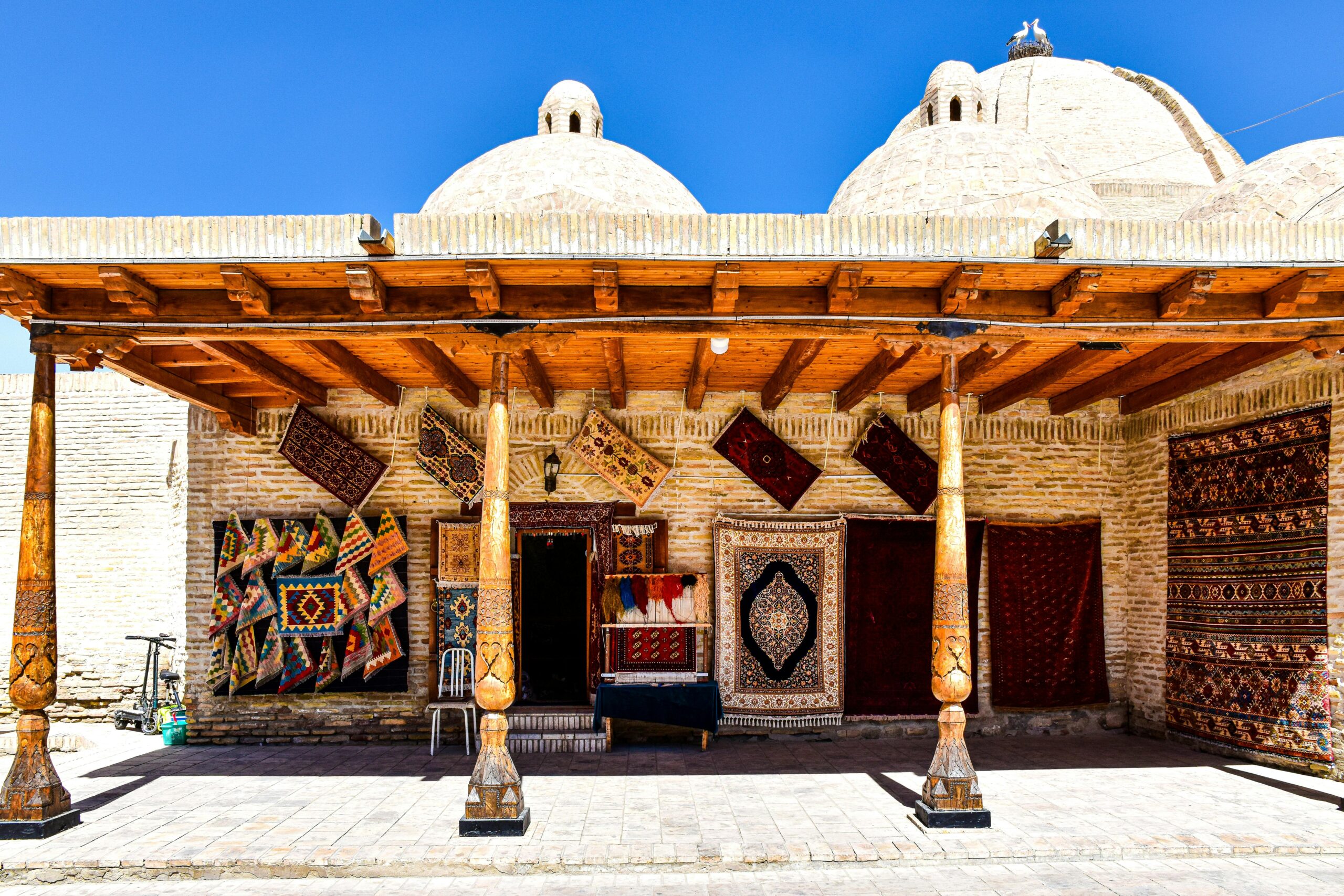
🌐 Connecting Past Wisdom to Present Challenges
Understanding the Silk Road’s intellectual legacy isn’t merely an academic exercise—it provides practical guidance for addressing contemporary challenges. When nations cooperate on scientific research despite political tensions, they follow patterns established by Silk Road traders who maintained commercial relationships across diverse political entities. When scholars collaborate across disciplinary boundaries, they echo the interdisciplinary synthesis that characterized Silk Road intellectual centers.
The most pressing global challenges—sustainability, inequality, technological ethics, social cohesion—require exactly the kind of cross-cultural, interdisciplinary collaboration that flourished along the Silk Road. No single tradition possesses all the answers, but synthesizing insights from diverse perspectives might generate breakthrough solutions.
The ancient Silk Road demonstrates that intellectual exchange requires more than good intentions—it needs infrastructure, translation capabilities, institutional support, and sustained commitment. Building modern knowledge networks with comparable impact demands similar investments in the enabling conditions for meaningful exchange. When we facilitate student exchanges, support translation projects, fund international research collaborations, and create spaces for cross-cultural dialogue, we honor the Silk Road’s legacy while building humanity’s shared future.
Ultimately, unlocking the Silk Road’s legacy means recognizing that our greatest achievements emerge not from isolation but from connection, not from purity but from synthesis, not from competition but from cooperation. The knowledge that shapes our world arrived through countless exchanges along ancient trade routes, carried by people who understood that wisdom knows no borders and that human progress depends on our willingness to learn from one another across all divides.