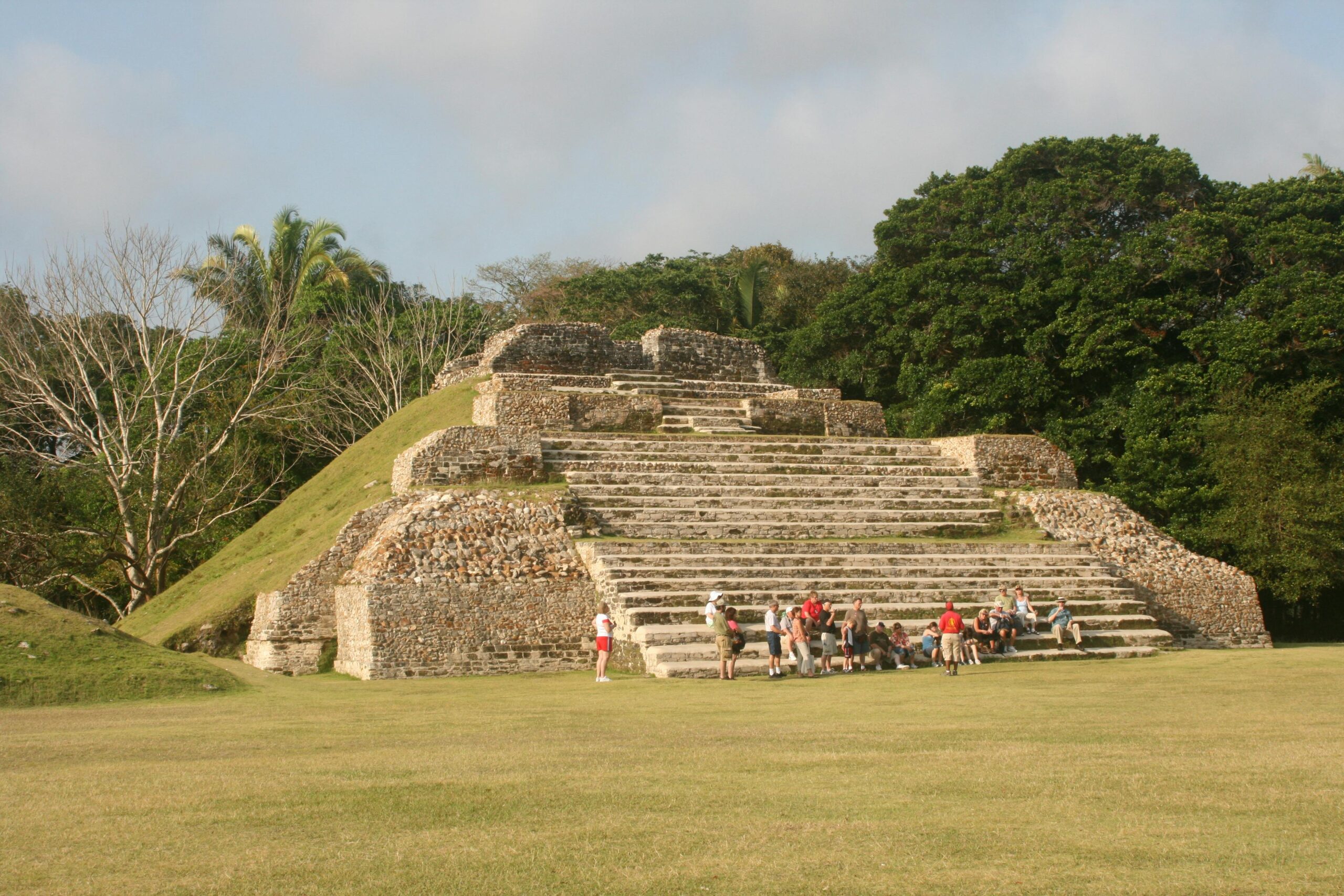
Throughout human history, whispers of vanished empires and forgotten peoples have captivated our imagination, leaving us to wonder what secrets lie buried beneath sand, sea, and time.

🗿 The Allure of Ancient Enigmas
Lost civilizations represent one of humanity’s most enduring fascinations. From childhood stories of Atlantis to documentary specials exploring forgotten temples, we’re drawn to the possibility that advanced societies once thrived and disappeared, leaving only tantalizing clues. These mysteries challenge our understanding of human progress and remind us that history is far from completely written.
The study of lost civilizations isn’t merely academic curiosity—it’s a fundamental quest to understand our collective past. Each discovery, whether a submerged city or an undeciphered script, rewrites chapters of human achievement. Archaeological evidence continues to emerge from jungles, deserts, and ocean floors, suggesting that our ancestors were far more sophisticated than previously believed.
Modern technology has revolutionized how we search for these lost worlds. Satellite imagery, ground-penetrating radar, and LIDAR scanning have revealed hidden structures invisible to the naked eye. What once required decades of excavation can now be identified in months, accelerating our journey into the past.
🌊 Atlantis: The Mother of All Lost Civilization Theories
No discussion of lost civilizations would be complete without Plato’s Atlantis. The Greek philosopher described this advanced island nation in his dialogues “Timaeus” and “Critias” around 360 BCE, claiming it sank into the ocean “in a single day and night of misfortune” approximately 9,000 years before his time.
Plato’s account described Atlantis as a naval power with sophisticated architecture, including concentric rings of water and land. The Atlanteans supposedly possessed advanced technology and conquered much of the Mediterranean before their hubris angered the gods, leading to their destruction.
Scientific Perspectives on the Atlantis Hypothesis
Most mainstream archaeologists consider Atlantis a philosophical allegory rather than historical fact. Plato likely created the story to illustrate points about ideal governance and the dangers of imperial ambition. However, several theories attempt to link Atlantis to real historical events or locations.
The Santorini hypothesis suggests the Minoan civilization on Thera (modern Santorini) inspired the Atlantis story. Around 1600 BCE, a massive volcanic eruption devastated this advanced Bronze Age society, creating tsunami waves and burying cities under ash—a catastrophe that matches Plato’s description of sudden destruction.
Other researchers have proposed locations ranging from the Bahamas to Antarctica, from the Strait of Gibraltar to the Black Sea. While these theories generate public interest, they typically lack rigorous archaeological support and often rely on selective interpretation of evidence.
🏛️ Lemuria and Mu: Pacific and Indian Ocean Mysteries
Before continental drift theory was understood, scientists proposed Lemuria—a hypothetical landmass connecting Madagascar and India—to explain why lemurs appeared in both locations. Though geology has since disproven this land bridge, the concept evolved into occult and pseudoscientific theories about an advanced lost civilization.
Similarly, the lost continent of Mu supposedly existed in the Pacific Ocean. Writer James Churchward popularized this theory in the 1920s, claiming Mu was the cradle of civilization, home to 64 million people before sinking 12,000 years ago. His evidence included misinterpreted Mayan codices and questionable translations of ancient tablets.
Why These Theories Persist Despite Scientific Evidence
Lemuria and Mu maintain cultural significance despite geological impossibility. These theories often reflect colonial-era attempts to explain cultural similarities across vast distances before understanding of human migration patterns developed. They also tap into romantic notions of paradise lost and ancient wisdom.
Modern plate tectonics confirms that no large landmasses have sunk in the Pacific or Indian Oceans within human history. However, sea level changes following the last Ice Age did submerge coastal areas, potentially inspiring flood myths and lost land legends across cultures.
🌴 Real Lost Civilizations Verified by Archaeology
While hypothetical continents capture imagination, archaeology has uncovered genuinely lost civilizations that disappeared from historical memory until rediscovered by modern scholars. These verified examples prove that advanced societies can indeed vanish, lending credibility to continued searches for unknown cultures.
The Maya: Hidden in Plain Sight
Mayan cities weren’t technically “lost”—local populations knew of ruins for centuries. However, the civilization’s achievements were forgotten by the wider world until 19th-century explorers documented their findings. Recent LIDAR surveys in Guatemala revealed thousands of previously unknown structures, suggesting Mayan civilization was far more extensive and interconnected than previously understood.
The Maya developed sophisticated mathematics, astronomy, and writing systems. Their sudden “collapse” around 900 CE remains partially mysterious, though theories include drought, warfare, and environmental degradation. This demonstrates how even well-documented civilizations can experience dramatic decline.
Angkor: The Jungle’s Secret Metropolis
Angkor in Cambodia was once the world’s largest pre-industrial city, with infrastructure supporting up to one million people. After the Khmer Empire declined in the 15th century, the jungle reclaimed these magnificent temples. Though never completely forgotten locally, Angkor’s true scale only became apparent through modern archaeological surveys.
LIDAR technology revealed that Angkor was part of a vast urban landscape with sophisticated water management systems. This discovery challenges assumptions about medieval urbanization and demonstrates how quickly nature can obscure even massive human achievements.
🔍 The Younger Dryas Impact Hypothesis and Ancient Cataclysms
Some researchers propose that an advanced global civilization existed during the Ice Age but was destroyed by catastrophic events around 12,800 years ago. The Younger Dryas Impact Hypothesis suggests that comet fragments struck Earth, triggering rapid climate change, mass extinctions, and possibly wiping out sophisticated human cultures.
Proponents point to geological evidence of impact markers, sudden temperature changes, and megafaunal extinctions coinciding with this period. They argue that worldwide flood myths and ancient astronomical knowledge preserved in mythology represent memories of this cataclysm passed down through oral traditions.
Göbekli Tepe: Rewriting Civilization’s Timeline
The discovery of Göbekli Tepe in Turkey challenged archaeological orthodoxy. This massive stone temple complex dates to approximately 9600 BCE—predating agriculture, pottery, and metal tools. Hunter-gatherers shouldn’t have possessed the organization or motivation to create such monumental architecture, yet the evidence is undeniable.
Göbekli Tepe demonstrates that our ancestors were capable of sophisticated engineering and social organization far earlier than previously believed. It raises tantalizing questions: what other achievements might pre-agricultural peoples have accomplished? Could there be other undiscovered sites of similar or greater significance?
Some researchers suggest Göbekli Tepe was built by survivors of an earlier advanced civilization, though mainstream archaeology views it as evidence of indigenous development by hunter-gatherer societies. Regardless of interpretation, it proves that conventional timelines of human progress require constant revision.
🗺️ Submerged Landscapes: Cities Beneath the Waves
Sea level rise following the Ice Age (approximately 120 meters over several millennia) submerged vast coastal areas where humans likely lived. These drowned landscapes represent a genuine “lost world” containing potential archaeological treasures that could revolutionize our understanding of prehistory.
Doggerland: Britain’s Atlantis
Doggerland once connected Britain to continental Europe—a habitable plain now beneath the North Sea. Fishing trawlers occasionally recover mammoth bones, ancient tools, and other artifacts from this submerged landscape. Doggerland likely supported significant human populations before gradually disappearing beneath rising waters around 6500 BCE.
Advanced mapping has revealed Doggerland’s rivers, hills, and coastlines. This lost world demonstrates that substantial inhabited areas now lie underwater, inaccessible to traditional archaeology. How many other drowned landscapes hide evidence of early human achievement?
The Mediterranean’s Sunken Settlements
Numerous prehistoric settlements have been discovered underwater in the Mediterranean, including structures off Israel, Greece, and Turkey. These findings confirm that coastal communities were inundated as seas rose, preserving moments in time beneath sediment and water.
The city of Pavlopetri off southern Greece dates to approximately 5,000 years ago and represents a complete Bronze Age urban landscape. Such discoveries validate theories that important archaeological sites remain hidden underwater, waiting for maritime archaeology to reveal their secrets.
📜 Unexplained Artifacts and Out-of-Place Technologies
Certain archaeological discoveries seem anomalous—artifacts that appear too sophisticated for their supposed time period. While most have conventional explanations, they fuel speculation about lost advanced civilizations or external influences on human development.
The Antikythera Mechanism
Recovered from a shipwreck off the Greek island of Antikythera, this corroded bronze device puzzled researchers for decades. Modern analysis revealed it was an incredibly sophisticated astronomical calculator from approximately 100 BCE, predicting celestial events with remarkable accuracy.
The Antikythera Mechanism demonstrates that ancient Greeks possessed technological sophistication that wouldn’t be matched for over a millennium. Its complexity raises questions about what other advanced devices might have existed and subsequently been lost to history.
Ancient Engineering Marvels
Structures like the Egyptian pyramids, Puma Punku in Bolivia, and Baalbek in Lebanon showcase engineering capabilities that seem remarkable for their eras. While mainstream archaeology explains these achievements through human ingenuity, organization, and labor, alternative theories propose lost technologies or external assistance.
The precision of stone cutting at sites like Puma Punku, where blocks fit together with millimeter accuracy without mortar, continues to generate debate. Conventional explanations involve bronze tools, abrasives, and exceptional skill, but the methods remain partially reconstructed, leaving room for speculation.
🧬 Genetic Evidence and Human Migration Mysteries
DNA analysis has revolutionized understanding of human prehistory, revealing complex migration patterns and interactions between different human populations. Some genetic findings have fueled speculation about lost civilizations, though they typically confirm rather than challenge conventional archaeological models.
The discovery of Denisovan DNA in modern humans—from a hominin group known only from fragmentary fossils—demonstrates that significant populations can leave genetic but minimal physical traces. This raises intriguing possibilities about other groups that might have influenced human development without leaving substantial archaeological evidence.
Population Bottlenecks and Ancient Catastrophes
Genetic evidence suggests human populations experienced severe bottlenecks—dramatic population reductions—during prehistory. The Toba supervolcanic eruption approximately 74,000 years ago may have reduced human numbers to a few thousand individuals, creating a genetic bottleneck visible in modern DNA.
Such catastrophes could have destroyed sophisticated cultures, leaving few survivors to pass on knowledge and traditions. While speculative, this scenario provides a potential mechanism for how advanced societies might disappear with minimal archaeological trace.
🔭 The Role of Mythology in Preserving Historical Memory
Myths and legends from diverse cultures share surprising similarities—worldwide flood narratives, stories of advanced ancient peoples, and accounts of catastrophic destructions. Some researchers interpret these patterns as evidence of shared historical experiences, possibly including encounters with lost civilizations.
The Aboriginal Australian oral traditions have proven remarkably accurate in preserving information across millennia, describing landscapes that existed over 10,000 years ago before sea level rise altered coastlines. This demonstrates that oral traditions can maintain historical information across vast time spans, suggesting other cultural memories might contain kernels of historical truth.
Separating Myth from History
The challenge lies in distinguishing allegorical, symbolic, or purely fictional elements from genuine historical memory. The discovery of Troy validated some aspects of Homeric legends, encouraging researchers to examine other myths for potential historical foundations. However, this approach requires rigorous methodology to avoid seeing patterns where none exist.
Universal human experiences—floods, earthquakes, volcanic eruptions—can generate similar mythological responses across cultures without requiring contact or shared origins. Distinguishing between convergent storytelling and transmitted memories of actual events remains profoundly difficult.
🌟 Modern Technology and the Future of Discovery
Emerging technologies continue revolutionizing the search for lost civilizations. Satellite imagery, artificial intelligence analysis of archaeological data, and advanced dating techniques accelerate discoveries that might have taken generations using traditional methods.
LIDAR (Light Detection and Ranging) has proven particularly transformative, penetrating forest canopies to reveal hidden structures. This technology identified vast Mayan networks, previously unknown settlements in the Amazon, and hidden complexes in Southeast Asia. What seemed like undisturbed wilderness often conceals archaeological wonders.
Underwater Archaeology’s Expanding Frontier
As underwater exploration technology improves, submerged landscapes become increasingly accessible. Autonomous underwater vehicles, improved sonar, and remote sensing equipment allow systematic surveying of drowned coastlines where prehistoric peoples likely lived.
The continental shelves represent archaeology’s final frontier—vast areas that were habitable during the Ice Age but now lie beneath waters that have historically prevented comprehensive investigation. Future discoveries in these regions may dramatically expand understanding of human prehistory.
💭 Balancing Speculation with Scientific Rigor
The lost civilization phenomenon exists at the intersection of legitimate archaeological mystery and pseudoscientific speculation. While maintaining healthy skepticism toward extraordinary claims, we should remain open to evidence-based revisions of historical understanding.
Göbekli Tepe, Doggerland, and the Antikythera Mechanism demonstrate that reality can be as surprising as fiction. Each generation of archaeologists uncovers evidence that previous scholars would have considered impossible, suggesting humility about proclaiming what ancient peoples could or couldn’t achieve.
However, responsible inquiry requires distinguishing between evidence-based hypotheses and wishful thinking. Claims of lost civilizations should withstand scrutiny: Where’s the physical evidence? Do proposed timelines align with geological and climatological data? Are alternative explanations more parsimonious?
🌍 What Lost Civilizations Teach Us About Resilience and Fragility
Whether discussing hypothetical Atlantis or verified collapses like the Maya or Angkor, lost civilizations remind us that societal success offers no guarantee of permanence. Advanced cultures can decline or disappear due to environmental changes, resource depletion, conflict, or catastrophic events.
This lesson carries particular relevance for contemporary civilization facing climate change, resource challenges, and technological risks. The archaeological record demonstrates that collapse isn’t merely theoretical—it’s happened repeatedly throughout human history, often to societies that seemed invulnerable at their peak.
Simultaneously, these stories inspire optimism. Humanity has repeatedly rebuilt, adapted, and created new civilizations from the remnants of old. Knowledge and culture prove remarkably resilient, finding ways to persist even through catastrophic disruptions. The question isn’t whether challenges will arise, but how we’ll respond when they do.

🔮 The Endless Quest for Hidden History
The search for lost civilizations continues because it addresses fundamental human needs—understanding our origins, connecting with our ancestors, and finding meaning in the vast sweep of history. Each archaeological discovery, whether confirming or challenging existing theories, adds pieces to the incomplete puzzle of human civilization.
Future discoveries will undoubtedly surprise us. Vast areas of Earth remain archaeologically unexplored or under-explored. The ocean floors, dense jungles, remote deserts, and ice-locked regions all hold potential secrets. Advancing technology will reveal what previous generations couldn’t detect, continually expanding and revising our understanding.
The mysteries of lost civilizations remind us that history isn’t a closed book but an ongoing investigation. Every answer generates new questions, every discovery reveals how much remains unknown. This uncertainty isn’t frustrating—it’s exhilarating, inviting each generation to contribute to humanity’s collective quest for self-understanding.
Perhaps the greatest value in studying lost civilizations isn’t finding definitive answers about Atlantis or uncovering every hidden temple. Rather, it’s maintaining curiosity about human potential and limits, appreciating the achievements of our ancestors, and recognizing that the story of civilization is far richer and more complex than any single narrative can capture. The mysteries endure, and so does our fascination with them.