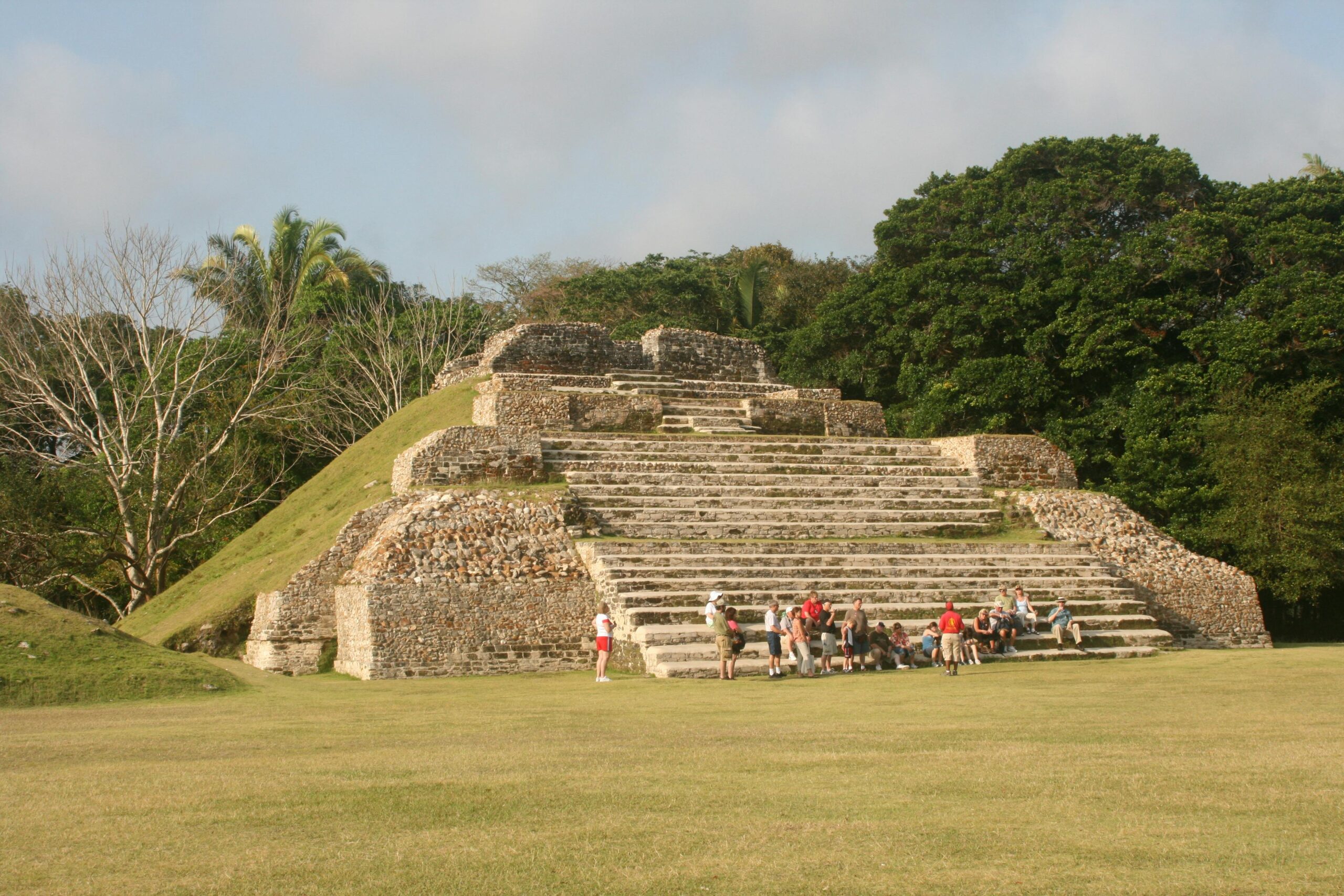
The vast oceans have hidden countless secrets beneath their waves, including entire civilizations that once dominated maritime trade, exploration, and cultural exchange across the ancient world.

🌊 The Enigma of Vanished Seafaring Societies
Throughout human history, the relationship between civilizations and the sea has been one of mutual dependency and transformation. While we celebrate well-known maritime powers like the Vikings, Phoenicians, and Polynesians, numerous other seafaring societies have slipped through the cracks of historical memory. These forgotten maritime civilizations built sophisticated networks of trade, developed advanced nautical technologies, and created cultural legacies that influenced regions far beyond their shores.
The ocean floor remains one of the last frontiers of archaeological exploration, holding evidence of shipwrecks, submerged ports, and lost coastal cities. Recent advances in underwater archaeology, satellite imaging, and deep-sea exploration technology have begun to reveal the extent of these forgotten maritime worlds. Each discovery challenges our understanding of ancient connectivity and demonstrates that the seas were far more traveled than previously imagined.
The Dilmun Civilization: Guardians of the Arabian Gulf
Few people today recognize the name Dilmun, yet this maritime civilization controlled one of the most important trade networks of the ancient world. Flourishing between 3000 BCE and 600 BCE in what is now Bahrain and eastern Saudi Arabia, Dilmun served as a crucial intermediary between Mesopotamian civilizations and the Indus Valley.
Archaeological evidence reveals that Dilmun possessed an impressive fleet of ships capable of long-distance voyages. Their merchants transported copper from Oman, precious stones from India, and luxury goods from Mesopotamia. The civilization developed sophisticated harbor infrastructure, including warehouses, docking facilities, and customs administration systems that rivaled contemporary land-based empires.
The Dilmun people created a unique cultural identity that blended influences from surrounding regions while maintaining distinctive artistic traditions. Their seal designs, featuring animals and geometric patterns, have been discovered across the Persian Gulf and as far as the Indus Valley, testament to their extensive maritime reach.
Why Dilmun Disappeared from History
The decline of Dilmun around 600 BCE coincided with shifts in regional trade patterns and the rise of new powers. As overland trade routes became more prominent and political upheavals reshaped the Middle East, Dilmun’s strategic importance diminished. The civilization was gradually absorbed by successive empires, and its maritime achievements were overshadowed by more militarily powerful neighbors.
⚓ The Phoenicians of Carthage: More Than Hannibal’s Homeland
While the Phoenicians are sometimes mentioned in historical texts, the full extent of their maritime empire remains underappreciated. The city-state of Carthage, founded by Phoenician colonists around 814 BCE in present-day Tunisia, became the center of a vast maritime network that stretched from the western Mediterranean to the Atlantic coast of Africa.
Carthaginian sailors were among the most skilled navigators of antiquity. Historical accounts suggest they circumnavigated Africa centuries before Portuguese explorers accomplished the feat in the 15th century. They established colonies throughout the Mediterranean, creating a commercial empire that challenged Roman expansion for centuries.
The Carthaginians developed advanced shipbuilding techniques, including specialized vessel designs for warfare and commerce. Their quinqueremes, massive warships with multiple rows of oars, represented the pinnacle of ancient naval engineering. The famous Carthaginian harbor, with its circular military port and rectangular commercial harbor, showcased sophisticated urban planning dedicated to maritime power.
The Systematic Erasure of Carthaginian Culture
Following Rome’s victory in the Punic Wars, the Romans deliberately destroyed Carthage in 146 BCE, systematically erasing its libraries, records, and cultural monuments. This act of cultural annihilation means that most of what we know about Carthage comes from Roman sources, which portrayed their former enemies in an unfavorable light. Recent archaeological work is slowly recovering the true legacy of this maritime civilization.
🗺️ The Ubar Connection: Desert Traders Who Mastered Coastal Routes
The legendary city of Ubar, sometimes called the “Atlantis of the Sands,” represents a fascinating intersection between desert trade and maritime commerce. Located in the southern Arabian Peninsula, Ubar served as a crucial link between inland frankincense production and coastal ports that shipped this valuable commodity throughout the ancient world.
While not exclusively a maritime civilization, Ubar’s wealth depended on maritime trade networks. The city’s merchants coordinated with coastal sailors to transport frankincense to Egypt, Rome, India, and China. This cooperation between desert and maritime traders created a sophisticated economic system that lasted for over a millennium.
The city’s disappearance, possibly due to environmental changes and the collapse of trade routes around 300 CE, left it forgotten until satellite imagery in the 1990s helped archaeologists locate its remains beneath the Rub’ al Khali desert.
The Chola Maritime Empire: Asia’s Forgotten Naval Superpower
Between the 9th and 13th centuries CE, the Chola dynasty of southern India created one of the most powerful maritime empires in Asian history. Their naval forces dominated the Indian Ocean, establishing trade networks that connected India with Southeast Asia, China, and the Middle East.
The Cholas maintained a sophisticated naval administration with designated admirals, shipbuilders, and maritime trade officials. They constructed massive ocean-going vessels capable of carrying hundreds of passengers and tons of cargo. Historical records describe their invasion fleet that conquered parts of Sri Lanka, the Maldives, and even reached as far as Indonesia and Malaysia.
The Chola maritime network facilitated not just trade but also cultural exchange. Hindu and Buddhist architectural styles spread throughout Southeast Asia through these connections. The magnificent temples of Angkor Wat in Cambodia show clear Chola artistic influences, demonstrating the cultural reach of this maritime empire.
The Legacy Hidden in Plain Sight
Despite their achievements, the Chola maritime empire remains largely unknown outside academic circles. Colonial-era histories focused on European maritime expansion often overlooked Asian seafaring achievements. The rediscovery of Chola naval capabilities has challenged Western-centric narratives about maritime exploration and trade.
🚢 The Minoans: Europe’s First Great Maritime Civilization
The Minoan civilization of Bronze Age Crete (approximately 2700-1450 BCE) represents Europe’s earliest known maritime power. Based in the palace complexes of Knossos, Phaistos, and other sites, the Minoans created a thalassocracy—a state whose power derives primarily from naval supremacy.
Minoan ships traded throughout the eastern Mediterranean, establishing outposts in the Cycladic islands, mainland Greece, and possibly as far as Egypt and the Levantine coast. Their distinctive pottery, art, and architectural styles influenced neighboring cultures, creating what archaeologists call the “Minoan cultural koine”—a shared cultural sphere maintained through maritime connections.
The Minoans developed advanced maritime technologies including harbor construction, lighthouse systems, and possibly early forms of maritime law. Their ships appear in numerous frescoes from palace walls, showing graceful curved designs that were well-suited to Mediterranean conditions.
The Mysterious Collapse
Around 1450 BCE, Minoan civilization experienced a sudden decline. While theories range from the catastrophic eruption of Thera (Santorini) to Mycenaean invasion, the exact cause remains debated. What’s clear is that one of history’s most sophisticated maritime civilizations vanished relatively quickly, leaving behind mysterious Linear A script that remains undeciphered and architectural marvels that continue to fascinate researchers.
The Srivijaya Empire: Controlling the Straits of Maritime Asia
From the 7th to 13th centuries CE, the Srivijaya Empire controlled crucial maritime trade routes through the Strait of Malacca and the Sunda Strait in Southeast Asia. Based on the island of Sumatra, Srivijaya became wealthy by taxing and facilitating trade between China, India, and the Middle East.
Unlike land-based empires focused on territorial conquest, Srivijaya exercised power through maritime control and diplomatic networks. They maintained relationships with Chinese dynasties, Indian kingdoms, and Arab traders, positioning themselves as essential intermediaries in the Asian maritime economy.
Srivijaya also became a major center of Buddhist learning, attracting scholars from across Asia. The Chinese Buddhist monk Yijing studied there in the 7th century, describing it as a great center of Buddhist scholarship with thousands of monks.
Lost Beneath the Jungle
The physical remains of Srivijaya have proven elusive. Unlike stone temple complexes built by contemporary mainland kingdoms, Srivijaya’s structures were primarily built from wood and have largely decomposed in the tropical environment. This absence of monumental architecture contributed to the civilization being forgotten for centuries. Only through textual references in Chinese, Arab, and Indian sources, combined with scattered archaeological finds, have historians reconstructed Srivijaya’s importance.
🔍 Archaeological Technologies Revealing Hidden Maritime Worlds
Modern technology has revolutionized our ability to discover and study forgotten maritime civilizations. Several innovations have proven particularly valuable:
- Satellite Remote Sensing: Reveals submerged structures, ancient coastlines, and harbor facilities beneath shallow waters
- Multibeam Sonar: Creates detailed three-dimensional maps of the ocean floor, identifying shipwrecks and underwater settlements
- Autonomous Underwater Vehicles (AUVs): Explore deep-sea sites too dangerous or remote for human divers
- DNA Analysis: Traces maritime trade networks by analyzing genetic material from archaeological sites
- Isotope Analysis: Determines the geographic origins of ancient materials, mapping trade routes
These technologies have led to spectacular discoveries, including bronze Age shipwrecks in the Mediterranean, submerged Neolithic settlements, and previously unknown harbor complexes that rewrite our understanding of ancient maritime commerce.
The Environmental Context of Maritime Civilizations
Understanding why certain maritime civilizations thrived or declined requires examining environmental factors. Climate change, sea-level fluctuations, and resource availability all played crucial roles in the rise and fall of seafaring societies.
Many ancient ports now lie underwater due to sea-level changes since the last ice age. The end of the Medieval Warm Period around 1300 CE coincided with the decline of several maritime civilizations, suggesting that climate shifts affected ocean conditions, monsoon patterns, and agricultural productivity in coastal regions.
Resource depletion also impacted maritime societies. Deforestation for shipbuilding could undermine a civilization’s naval capacity over time. The Mediterranean region shows evidence of widespread deforestation during antiquity, partly driven by the constant demand for timber to construct merchant vessels and warships.
💡 Lessons from Lost Maritime Civilizations
The study of forgotten maritime civilizations offers valuable insights for contemporary society. These ancient seafaring peoples developed sustainable relationships with marine environments, created international legal frameworks for maritime commerce, and built multicultural societies through trade networks.
Their experiences also warn of vulnerabilities. Many maritime civilizations collapsed when trade routes shifted, resources became scarce, or climate patterns changed. In our interconnected global economy, which depends heavily on maritime shipping, these historical lessons about adaptability and sustainability remain relevant.
The cultural diversity fostered by maritime trade in ancient times demonstrates that globalization is not a modern phenomenon. Ancient sailors created cosmopolitan port cities where different languages, religions, and customs coexisted—often peacefully—showing that cross-cultural exchange has deep historical roots.
Reconstructing Lost Maritime Knowledge
One of the most challenging aspects of studying forgotten maritime civilizations involves reconstructing their nautical knowledge. Ancient sailors possessed sophisticated understanding of winds, currents, celestial navigation, and seasonal patterns—knowledge often transmitted orally rather than in written form.
Experimental archaeology has proven valuable in recovering this lost knowledge. Researchers have built replica ships using ancient techniques and sailed them along historical trade routes, demonstrating the seaworthiness of ancient designs and the feasibility of long-distance voyages previously considered impossible.
Traditional navigators from Pacific island cultures have contributed valuable insights into ancient seafaring techniques. Their preservation of ancestral navigation methods—using star paths, wave patterns, and bird behavior—offers clues about how ancient mariners might have navigated vast oceans without modern instruments.
🌍 The Future of Maritime Archaeological Discovery
The ocean still holds countless undiscovered sites from ancient maritime civilizations. An estimated three million shipwrecks rest on the ocean floor, each potentially containing information about ancient trade, technology, and cultural exchange. As underwater exploration technology improves and becomes more affordable, the pace of discovery will likely accelerate.
International cooperation has become essential for maritime archaeology. Forgotten civilizations often spanned multiple modern nations, requiring collaborative research efforts. UNESCO’s Convention on the Protection of the Underwater Cultural Heritage provides a framework for preserving and studying these sites while preventing looting and commercial exploitation.
Climate change ironically aids some discoveries while threatening others. Coastal erosion exposes previously buried sites, while changing ocean conditions reveal shipwrecks. However, rising seas and increasing storm activity also endanger archaeological sites, creating urgency around documentation and preservation efforts.
Preserving the Memory of Maritime Heritage
The fate of forgotten maritime civilizations serves as a reminder that historical memory is fragile. Cultural destruction, whether deliberate like Rome’s treatment of Carthage or gradual like the tropical decay of Srivijaya’s wooden structures, can erase entire civilizations from collective memory.
Modern efforts to document and preserve maritime heritage face challenges including funding limitations, political conflicts in territorial waters, and the ethical complexities of disturbing archaeological sites. Digital preservation technologies, including 3D modeling and virtual reality reconstructions, offer new ways to document and share discoveries with global audiences without damaging fragile underwater sites.
Public engagement remains crucial for preserving maritime heritage. Museum exhibitions, documentaries, and educational programs help raise awareness about forgotten maritime civilizations and build support for archaeological preservation. As more people appreciate the richness of maritime history, the likelihood increases that these civilizations will be remembered rather than forgotten again.
The forgotten maritime civilizations of the past represent humanity’s enduring relationship with the sea. From the Persian Gulf to the Mediterranean, from the Indian Ocean to Southeast Asian straits, ancient peoples created sophisticated societies whose power and influence derived from mastery of maritime trade and navigation. Their stories, slowly being recovered from beneath the waves and within archaeological sites, remind us that our modern globalized world has deep historical precedents. By uncovering these lost civilizations, we gain not only historical knowledge but also insights into human adaptability, innovation, and the timeless importance of connecting across waters rather than being divided by them.