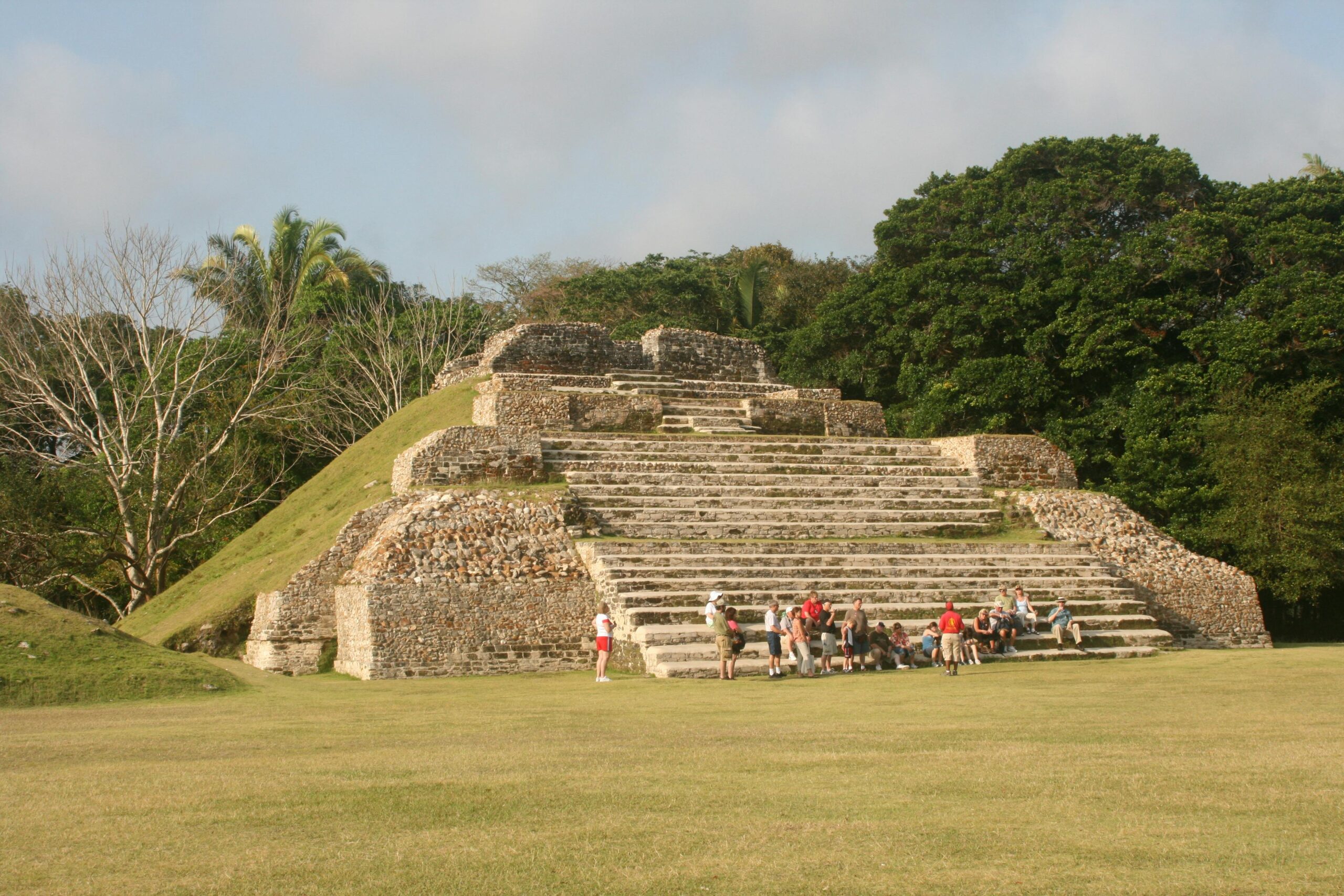
Ancient networks—spanning trade routes, communication systems, and social structures—hold invaluable insights into human civilization, yet reconstructing them requires innovative archaeological and digital methods.

🔍 The Lost Threads of History: Why Ancient Networks Matter
Throughout human history, networks have been the invisible threads binding civilizations together. From the Silk Road’s intricate trade pathways to Rome’s revolutionary road system, these connections facilitated not just commerce but the exchange of ideas, religions, and technologies that shaped our world. Yet many of these networks have been lost to time, buried beneath layers of earth, erased by conquest, or simply forgotten as empires crumbled.
The reconstruction of ancient networks represents one of archaeology’s most compelling challenges. These systems weren’t merely physical infrastructures—they were dynamic ecosystems of human interaction. Understanding them allows us to comprehend how ancient societies organized themselves, how information traveled across vast distances, and how cultural innovations spread from one civilization to another.
Modern technology has revolutionized our ability to uncover these hidden connections. Digital archaeology, satellite imaging, machine learning algorithms, and big data analysis now complement traditional excavation methods, revealing patterns invisible to earlier generations of researchers. This convergence of old and new methodologies is opening unprecedented windows into the past.
Mapping the Invisible: Technologies Transforming Network Reconstruction
The digital revolution has fundamentally transformed archaeological practice. Remote sensing technologies, particularly LiDAR (Light Detection and Ranging), have proven especially powerful for revealing ancient infrastructure hidden beneath vegetation or soil. In Central America, LiDAR surveys have unveiled extensive Maya road networks connecting cities previously thought isolated, completely rewriting our understanding of their civilization’s complexity.
Satellite imagery analysis, including multispectral and hyperspectral imaging, allows researchers to detect subtle variations in soil composition and vegetation patterns that indicate buried structures. These technologies have successfully identified Roman roads across North Africa, Persian Royal Roads through the Middle East, and Inca trail systems threading through the Andes.
Geographic Information Systems: The Digital Cartographer’s Toolkit
Geographic Information Systems (GIS) have become indispensable for synthesizing diverse data sources into coherent network models. By integrating archaeological findings, historical texts, environmental data, and topographical information, GIS platforms enable researchers to test hypotheses about ancient connectivity systematically.
These systems allow archaeologists to perform least-cost path analysis, predicting likely routes based on terrain difficulty, water availability, and strategic considerations. When these computational predictions align with actual archaeological evidence, confidence in network reconstructions increases substantially.
Machine learning algorithms trained on known network segments can now predict probable extensions and connections, guiding fieldwork toward high-probability areas. This approach significantly reduces the time and resources required for network discovery.
🏛️ Case Studies: Remarkable Network Resurrections
The Silk Road’s Hidden Branches
The Silk Road traditionally conjures images of a single grand highway connecting East and West. Reality was far more complex—a web of interconnected routes shifting with political changes, climate variations, and economic opportunities. Recent archaeological work in Central Asia, combining satellite analysis with ground surveys, has revealed numerous previously unknown branch routes.
These discoveries demonstrate that the Silk Road functioned more like the internet than a highway—a redundant system with multiple pathways ensuring connectivity even when individual routes became impassable. Caravanserais (roadside inns) discovered through remote sensing now appear at precisely the intervals necessary for safe travel, revealing sophisticated network planning.
Rome’s Engineering Marvel: The Road Network
Roman roads are legendary, yet significant portions have been lost or misidentified over millennia. Recent work across the former empire has reconstructed this network with unprecedented accuracy. In Britain, researchers combined historical itineraries like the Antonine Itinerary with LiDAR data and excavation, revealing that the Roman road system was approximately 30% more extensive than previously estimated.
The reconstructed network reveals Roman strategic thinking. Roads weren’t merely transportation infrastructure but instruments of military control, economic integration, and cultural assimilation. The spacing of military camps, the positioning of administrative centers, and the locations of market towns all reflect deliberate network design optimized for imperial governance.
Maya Causeway Systems: Cities in Conversation
Traditional views portrayed Maya cities as independent city-states with limited interaction. Comprehensive LiDAR surveys across Guatemala, Belize, and Mexico’s Yucatan Peninsula have obliterated this notion. Extensive raised causeways (sacbeob) connected cities across remarkable distances, some exceeding 100 kilometers.
These discoveries suggest a level of political organization and economic integration far beyond previous estimates. The causeways facilitated not just trade but ceremonial processions, military movements, and administrative coordination, indicating a sophisticated regional government structure.
Reconstructing Trade Networks: Following Ancient Commerce
Trade networks represent perhaps the most archaeologically visible ancient connections, as they leave material traces. Goods moved along established routes, and their distribution patterns reveal network structure even when the routes themselves remain hidden.
Chemical fingerprinting and provenance studies have revolutionized trade network reconstruction. Techniques like neutron activation analysis, X-ray fluorescence, and isotopic analysis can determine where raw materials originated with remarkable precision. When obsidian tools from a specific volcanic source appear hundreds of kilometers away, researchers can map distribution patterns revealing trade route structures.
Maritime Networks: Underwater Highways
Seafaring civilizations created vast maritime networks that archaeological reconstruction has only recently begun to appreciate fully. Shipwreck archaeology, combined with oceanographic modeling of ancient currents and seasonal wind patterns, reveals how ancient mariners navigated across open waters.
The Bronze Age Mediterranean hosted sophisticated maritime networks connecting Minoan Crete, Mycenaean Greece, Egyptian ports, and Levantine cities. Cargo compositions from wrecks like the Uluburun shipwreck demonstrate multi-stage trade involving numerous intermediaries, suggesting a complex commercial network with specialized merchant hubs.
Phoenician and later Carthaginian maritime networks extended beyond the Mediterranean into the Atlantic, reaching Britain for tin and possibly even circumnavigating Africa. Reconstructing these routes requires synthesizing archaeological evidence, ancient texts, navigational capabilities, and environmental conditions.
📊 Social Networks: Tracking Ideas and Influence
Beyond physical infrastructure and trade goods, ancient networks transmitted intangible elements—ideas, religious beliefs, artistic styles, and technological innovations. Reconstructing these social networks presents unique challenges, as they left subtler archaeological signatures.
Stylistic analysis of artifacts, architecture, and art reveals cultural connections and influence patterns. When distinctive pottery styles appear simultaneously across widely separated sites, it suggests either direct contact through a network or influence transmitted through intermediaries.
The Spread of Writing Systems
Writing systems provide excellent case studies for network reconstruction. The alphabet’s journey from Phoenician origins through Greek and Latin adaptations to modern scripts traces a network of cultural contact and influence spanning millennia. Each adaptation reflects specific interactions between societies connected by trade, conquest, or migration.
Similarly, the spread of cuneiform writing across the ancient Near East maps a network of diplomatic, commercial, and educational connections. Tablets found far from Mesopotamian heartlands reveal the extent of this scribal network, with local adaptations showing how ideas transformed as they traveled.
Religious Networks: Pilgrimage and Belief Systems
Religious pilgrimage routes constituted some of antiquity’s most significant networks, moving not just pilgrims but ideas, wealth, and cultural practices. Reconstructing these spiritual highways reveals much about ancient worldviews and social organization.
Buddhist pilgrimage routes connected India with Central Asia, China, and Southeast Asia, creating a vast network along which religious texts, artistic traditions, and philosophical concepts traveled. Archaeological evidence of monasteries, stupas, and devotional inscriptions traces these routes with considerable accuracy.
Christian pilgrimage networks converging on Jerusalem, Rome, and Santiago de Compostela shaped medieval European geography, with infrastructure developing to support pilgrims. Reconstructing these networks illuminates medieval economy, politics, and religious practice.
🧬 Biological Networks: Disease, Crops, and Animals
Ancient networks transmitted not just human-made objects and ideas but biological entities—crops, domesticated animals, and unfortunately, diseases. Reconstructing these biological exchanges provides insights into network operation and impact.
The Columbian Exchange, though post-ancient, exemplifies how network reconstruction reveals biological transfers. Ancient equivalents existed—wheat, barley, and domesticated animals spread from the Fertile Crescent across Eurasia; rice cultivation expanded from China throughout Asia; maize moved from Mesoamerica throughout the Americas.
Paleogenomics now allows direct tracking of crop and animal movement. DNA analysis of ancient seeds and bones reveals precisely which varieties traveled where and when, mapping agricultural networks with unprecedented precision. These biological networks often preceded or exceeded commercial ones, as farming communities adopted beneficial crops from neighbors.
Plague Routes and Epidemic Pathways
Disease movement tragically highlights network connectivity. The Justinianic Plague’s sixth-century spread through the Byzantine Empire and beyond follows known trade routes, demonstrating how commercial networks facilitated epidemic transmission. Similarly, the Black Death’s fourteenth-century devastation mapped onto established trade connections linking Asia and Europe.
Ancient DNA recovered from plague victims allows researchers to track specific pathogen strains, revealing transmission pathways with molecular precision. These studies confirm that disease spread followed commercial and military networks, offering sobering reminders of connectivity’s costs.
Challenges in Network Reconstruction: What We Cannot Know
Despite technological advances, significant challenges remain in ancient network reconstruction. Preservation bias means that stone roads survive while wooden bridges vanish, that durable goods appear in archaeological contexts while perishable materials disappear, and that literate societies leave more traceable networks than oral cultures.
Temporal resolution presents another challenge. Archaeological dating typically cannot resolve events to individual years or even decades. A “network” reconstructed from evidence spanning centuries might actually represent multiple successive networks responding to changing conditions.
The informal networks that likely carried much ancient interaction—personal relationships, verbal information exchange, temporary alliances—leave almost no archaeological trace. Reconstructed networks therefore represent only the most formal, persistent, and materially intensive connections, potentially missing significant interaction modes.
🌐 Digital Humanities: Simulating Ancient Networks
Computational modeling allows researchers to test network reconstructions by simulating their operation. Agent-based models can simulate traders, travelers, or information carriers moving across reconstructed networks under various assumptions, generating predictions testable against archaeological evidence.
These simulations reveal network properties not immediately obvious from static maps. They can identify crucial nodes whose disruption would fragment the network, predict resource requirements for network maintenance, and estimate information transmission speeds across ancient territories.
Network science provides mathematical tools for analyzing connectivity patterns. Metrics like centrality, clustering coefficients, and path lengths allow comparison between ancient networks and modern ones, revealing universal principles of network organization transcending technological context.
From Past to Present: Lessons for Modern Networks
Ancient network reconstruction offers surprising relevance for contemporary challenges. Many ancient networks exhibited remarkable resilience, maintaining functionality despite political upheavals, environmental changes, and periodic disruptions. Understanding their adaptive strategies provides insights applicable to modern infrastructure planning.
The redundancy built into successful ancient networks—alternative routes, distributed resource storage, multiple communication pathways—mirrors principles now recognized as essential for resilient modern systems. Ancient network designers, working without formal network theory, nevertheless implemented solutions that contemporary network science validates.
Environmental sustainability represents another area where ancient networks offer lessons. Long-lasting networks achieved equilibrium with their environments, exploiting resources without exhausting them. Understanding how ancient societies maintained networks across centuries or millennia provides valuable perspectives on sustainable infrastructure.
🔮 Future Directions: Technologies on the Horizon
Emerging technologies promise further breakthroughs in network reconstruction. Quantum sensors may detect buried structures with unprecedented precision. Artificial intelligence systems trained on vast archaeological datasets could identify patterns invisible to human researchers, predicting unknown network components with high accuracy.
Virtual and augmented reality technologies enable immersive visualization of reconstructed networks, allowing researchers to “walk” ancient roads, explore vanished cities, and experience historical connectivity firsthand. These tools facilitate intuitive understanding of spatial relationships difficult to grasp from maps alone.
Crowdsourcing initiatives harness public participation for network reconstruction. Projects like GlobalXplorer° enable millions of volunteers to examine satellite imagery, identifying potential archaeological features that algorithms miss. This democratization of archaeological discovery accelerates the pace of network revelation.

The Enduring Legacy of Ancient Connections
Reconstructing ancient networks illuminates humanity’s fundamental drive to connect, communicate, and exchange. These investigations reveal that isolation was rare in antiquity—most societies participated in networks linking them to distant peoples and places. This connectivity facilitated the cultural cross-fertilization that drove innovation and shaped civilizations.
Modern globalization, often presented as unprecedented, actually continues patterns established millennia ago. Ancient networks created the first global systems, albeit operating more slowly than digital ones. Understanding these historical precedents provides perspective on contemporary connectivity and its challenges.
The secrets uncovered through network reconstruction remind us that human ingenuity consistently overcomes barriers to connection. Ancient engineers built roads across mountain ranges, mariners crossed fearsome seas, and merchants established trade links spanning continents—all without modern technology. Their achievements testify to the human spirit’s remarkable determination to reach beyond immediate horizons.
As research continues, more ancient networks will emerge from obscurity, each discovery enriching our understanding of human history. These reconstructed connections don’t just reveal how ancient people moved goods or information—they illuminate the fundamental human need to reach out, to exchange, to connect across distances and differences. In their roads, trade routes, and communication systems, we see our ancestors’ efforts to create a connected world, an aspiration that continues driving human endeavor today. 🌍