The mysteries hidden beneath our oceans have captivated humanity for centuries, inspiring tales of lost cities, advanced societies, and forgotten worlds submerged by time.

🌊 The Allure of Sunken Worlds
Our planet’s surface is covered by approximately 71% water, yet we’ve explored less than 5% of our oceans. Within these uncharted depths lie countless secrets, including remnants of ancient civilizations that once thrived above sea level. The study of underwater civilizations combines archaeology, oceanography, history, and cutting-edge technology to piece together humanity’s submerged past.
These underwater archaeological sites offer invaluable insights into how our ancestors lived, traded, and built communities. From natural disasters to rising sea levels, various catastrophic events have claimed entire cities, preserving them in saltwater time capsules. Today’s explorers utilize advanced submersibles, sonar mapping, and remotely operated vehicles to investigate these fascinating locations.
Ancient Legends Meet Modern Discovery
Throughout history, stories of sunken cities have permeated mythology and folklore across cultures. The most famous tale remains Atlantis, described by Plato as an advanced civilization that disappeared into the ocean in a single day and night. While Atlantis itself remains legendary, numerous real underwater civilizations have been discovered, proving that truth can be as extraordinary as fiction.
The boundary between myth and reality continues to blur as marine archaeologists make groundbreaking discoveries. Each expedition reveals artifacts, structures, and evidence of sophisticated societies that challenge our understanding of ancient capabilities. These findings demonstrate that coastal and island civilizations faced constant threats from the ever-changing relationship between land and sea.
📍 Remarkable Submerged Cities Around the Globe
Pavlopetri: The Mediterranean Time Capsule
Off the coast of southern Greece lies Pavlopetri, believed to be the world’s oldest known submerged city. Dating back approximately 5,000 years to the Bronze Age, this remarkably preserved settlement features streets, buildings, courtyards, and tombs. The city sank following earthquakes around 1000 BCE, leaving behind an incredibly detailed snapshot of ancient urban planning.
Researchers have mapped over 9,000 square meters of this underwater metropolis, revealing a sophisticated society with complex architecture. The preservation quality allows archaeologists to study details typically lost in terrestrial excavations, including complete building layouts and infrastructure systems that demonstrate advanced engineering knowledge.
Dwarka: India’s Sacred Submerged City
Located in the Gulf of Cambay off the coast of Gujarat, India, the underwater remains near modern Dwarka may validate ancient Hindu texts describing Lord Krishna’s legendary city. Marine archaeological expeditions have discovered structures, artifacts, and settlements dating back thousands of years, potentially as far as 9,000 years ago according to some controversial estimates.
The site features stone structures, walls, and pottery fragments that suggest a once-thriving port city. While debates continue regarding precise dating and identification, Dwarka represents the fascinating intersection of religious tradition, historical investigation, and underwater archaeology in uncovering civilization’s maritime heritage.
Heracleion: Egypt’s Lost Port City
For centuries, Heracleion existed only in ancient texts mentioning Egypt’s prosperous port city. In 2000, French archaeologist Franck Goddio discovered the actual city submerged in Abu Qir Bay near Alexandria. Founded around the 8th century BCE, Heracleion served as Egypt’s main international trading port before Alexandria’s rise.
The underwater excavation has yielded extraordinary treasures including colossal statues, gold coins, elaborate jewelry, and the remains of over 64 ships. Inscribed stone slabs helped confirm the city’s identity. Heracleion likely sank due to liquefaction of sediment, earthquakes, and rising sea levels, disappearing beneath the waves around the 8th century CE.
⚙️ Technology Illuminating the Depths
Modern underwater archaeology has been revolutionized by technological advances that allow researchers to explore deeper, longer, and with greater precision than ever before. These tools transform dangerous, limited explorations into comprehensive scientific investigations that can document entire submerged landscapes.
Sonar and Remote Sensing
Side-scan sonar and multibeam echo sounders create detailed three-dimensional maps of the ocean floor, revealing anomalies that might indicate human structures. These technologies allow researchers to survey vast areas quickly, identifying promising sites for closer investigation without disturbing potentially fragile archaeological contexts.
Magnetometers detect metallic objects and variations in the Earth’s magnetic field caused by human activity. Ground-penetrating radar adapted for underwater use can identify structures buried beneath sediment layers, revealing hidden components of submerged settlements without invasive excavation.
Autonomous and Remotely Operated Vehicles
ROVs (Remotely Operated Vehicles) and AUVs (Autonomous Underwater Vehicles) serve as the archaeologist’s eyes and hands in environments too deep, dark, or dangerous for human divers. Equipped with high-definition cameras, sampling tools, and measurement instruments, these robots can work for extended periods at depths impossible for conventional diving.
Advanced ROVs feature manipulator arms capable of delicate operations like brushing sediment from artifacts or collecting samples for laboratory analysis. Real-time video feeds allow surface teams to make immediate decisions about investigation strategies, documentation approaches, and artifact recovery protocols.
🔍 Challenges of Underwater Archaeological Research
Despite technological advances, underwater archaeology presents unique challenges that terrestrial excavations never encounter. The marine environment is inherently hostile to both human researchers and the artifacts they seek to preserve and understand.
Environmental Obstacles
Visibility underwater can range from crystal clear to virtually zero, dramatically affecting investigation efficiency. Currents, tides, and weather conditions create dangerous working environments and narrow operational windows. Water temperature variations affect both equipment performance and human endurance during diving operations.
Pressure increases with depth, limiting direct human access to many sites. Specialized training, equipment, and safety protocols are essential, significantly increasing expedition costs and complexity. Saturation diving techniques allow extended deep-water stays but require elaborate support infrastructure and careful physiological management.
Preservation Paradoxes
While submersion can preserve organic materials that would decay on land, the marine environment poses unique threats. Marine organisms bore into wood and stone, gradually destroying structural integrity. Corrosion affects metal artifacts, while delicate items may be scattered by currents or buried under shifting sediment.
Ironically, raising artifacts to the surface can accelerate deterioration. Materials saturated with seawater for centuries require careful conservation treatment to prevent rapid degradation upon exposure to air. Conservation facilities must maintain controlled environments and implement lengthy stabilization processes, adding substantial time and cost to archaeological projects.
💎 Treasures Beyond Gold and Gems
While valuable artifacts capture public imagination, underwater civilizations yield treasures far more significant than material wealth. These sites provide irreplaceable information about human history, cultural development, trade networks, and technological innovation.
Everyday Life Frozen in Time
Unlike monumental structures built to last, everyday objects reveal how ordinary people actually lived. Cooking vessels, personal ornaments, children’s toys, and work tools discovered in underwater sites provide intimate glimpses into daily routines, social structures, and cultural practices rarely documented in written records.
Food residues preserved in pottery offer insights into ancient diets and agricultural practices. Analysis of amphora contents reveals trade commodities, manufacturing techniques, and economic relationships between distant civilizations. These mundane items collectively tell richer, more complete stories than palaces and temples alone.
Ship Graveyard Time Capsules
Shipwrecks represent particularly valuable archaeological sites because they capture specific moments in time. Unlike settlements that evolved over centuries, a sunken ship preserves everything aboard at the instant of disaster. Cargo manifests written in artifacts document trade routes, economic priorities, and technological capabilities.
The diversity of items aboard merchant vessels reveals the complexity of ancient commerce and cultural exchange. Pottery styles, amphora shapes, and manufacturing techniques traced through shipwreck artifacts map trade networks spanning continents and illustrate how ideas, technologies, and cultural influences traveled alongside physical goods.
🌍 Climate Change and Vanished Coastlines
Understanding why civilizations ended up underwater provides crucial context for their stories. Sea level changes throughout history have dramatically altered coastlines, submerging inhabited lands and forcing population migrations that shaped human history.
Post-Ice Age Transformations
Following the Last Glacial Maximum approximately 20,000 years ago, melting ice sheets caused sea levels to rise over 120 meters. This gradual but relentless inundation claimed vast coastal plains where early human populations lived, hunted, and eventually established settlements. Entire landscapes now lie beneath continental shelves, holding secrets of prehistoric societies.
Doggerland, a landmass connecting Britain to continental Europe, disappeared beneath the North Sea as ice melted and sea levels rose. Recent surveys have revealed this lost landscape’s topography, discovering artifacts and even footprints from the hunters and gatherers who once roamed these now-submerged plains.
Sudden Catastrophes and Gradual Decline
While gradual sea level rise claimed some civilizations, others fell victim to sudden disasters. Earthquakes, tsunamis, volcanic eruptions, and catastrophic storms could destroy coastal cities in hours. The geological instability of many coastal regions, particularly around tectonic plate boundaries, made ancient port cities vulnerable to seismic events.
Subsidence caused by earthquakes, sediment compaction, or groundwater extraction has lowered land relative to sea level throughout history. Combined with storm surges or tsunamis, these factors could transform thriving cities into underwater ruins almost overnight, preserving moments of catastrophe in archaeological deposits.
🎓 What Sunken Cities Teach Modern Society
Beyond their historical and archaeological significance, underwater civilizations offer sobering lessons for contemporary society facing climate change and rising sea levels. Ancient responses to environmental challenges provide perspective on resilience, adaptation, and the consequences of ignoring natural threats.
Vulnerability of Coastal Development
Modern civilization concentrates heavily along coastlines, with major cities and economic infrastructure vulnerable to the same forces that claimed ancient settlements. Rising sea levels, increasingly severe storms, and coastal erosion threaten contemporary populations just as they did ancient civilizations. The archaeological record demonstrates that even sophisticated societies can be displaced or destroyed by marine forces.
Studying how ancient communities responded to environmental changes informs modern strategies for coastal management and climate adaptation. Some civilizations successfully relocated, others implemented engineering solutions, while some failed to adapt and disappeared. These historical case studies provide valuable data for planning contemporary responses to environmental challenges.
Preserving Underwater Cultural Heritage
Submerged archaeological sites face increasing threats from treasure hunters, development projects, trawling fishing practices, and environmental changes. International efforts to protect underwater cultural heritage have established legal frameworks, but enforcement remains challenging in international waters and developing nations with limited resources.
The 2001 UNESCO Convention on the Protection of the Underwater Cultural Heritage provides guidelines for responsible investigation and preservation. However, balancing scientific research, heritage protection, and public access requires ongoing dialogue between archaeologists, governments, local communities, and commercial interests.
🚀 Future Frontiers in Underwater Exploration
As technology advances and ocean exploration becomes more accessible, the pace of discovery accelerates. Artificial intelligence, improved sensors, and increasingly sophisticated underwater vehicles promise to reveal even more secrets hidden beneath the waves.
AI and Machine Learning Applications
Artificial intelligence algorithms can analyze vast quantities of sonar data, identifying patterns and anomalies that might indicate archaeological sites. Machine learning systems trained on known underwater structures can scan unexplored areas, flagging locations with characteristics suggesting human activity for follow-up investigation.
Computer vision systems process underwater imagery, automatically cataloging artifacts, measuring structures, and creating detailed three-dimensional models. These technologies dramatically reduce the time required for documentation and analysis, allowing researchers to focus on interpretation and understanding rather than manual data processing.
Democratizing Ocean Exploration
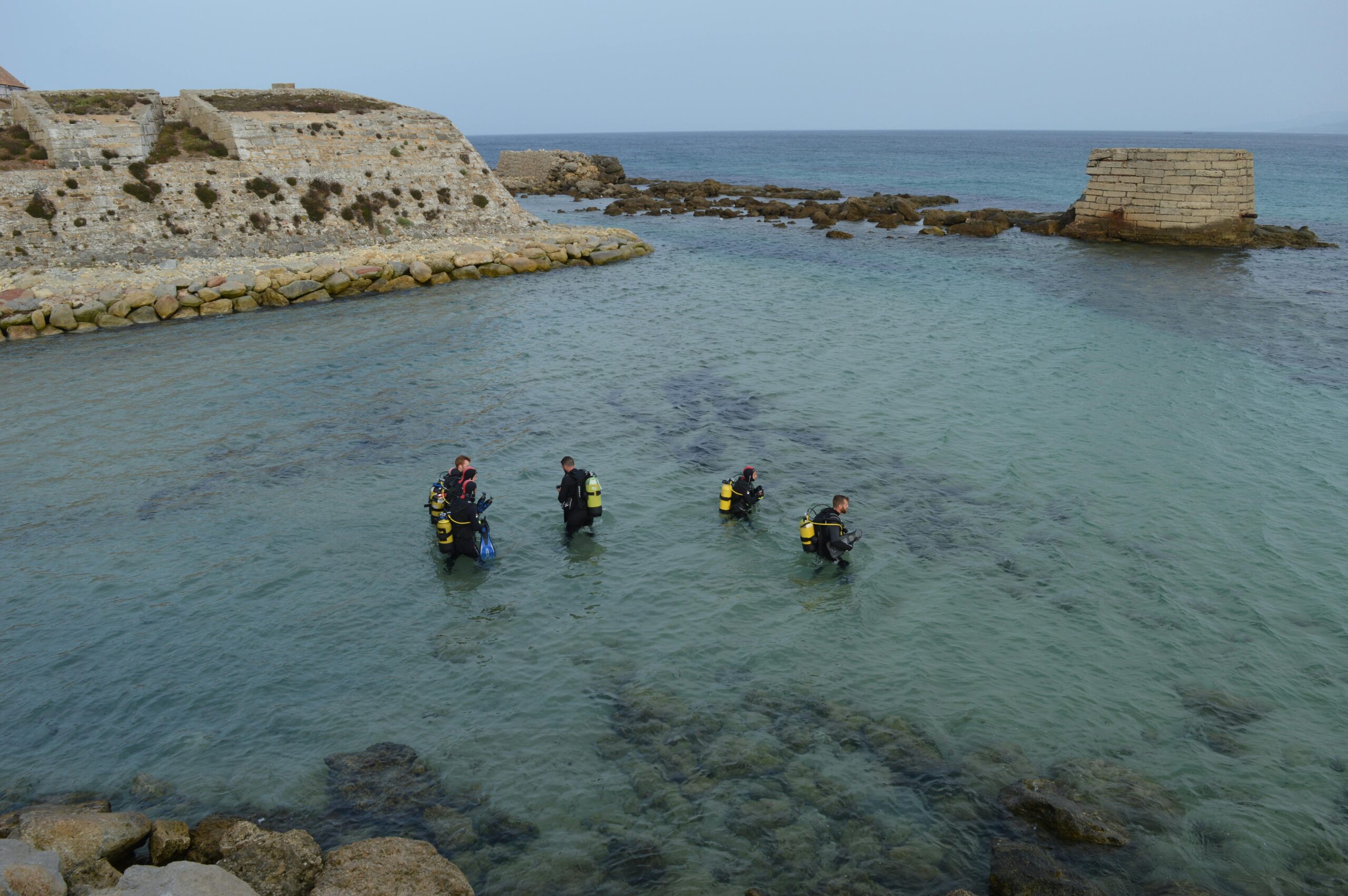
Decreasing equipment costs and improving accessibility are opening underwater archaeology to broader participation. Citizen science projects engage recreational divers in documentation efforts, while virtual reality allows people worldwide to explore underwater sites without leaving home. This democratization raises public awareness about underwater cultural heritage and builds support for preservation efforts.
Crowdsourced data analysis projects enable volunteers to contribute to archaeological research by examining imagery, identifying artifacts, or transcribing historical documents. These initiatives multiply researcher capacity while fostering public engagement with archaeological science and underwater exploration.
The Endless Blue Mystery Awaits
The exploration of underwater civilizations remains one of archaeology’s most exciting frontiers. Each discovery rewrites history, challenges assumptions, and reveals new dimensions of human achievement and resilience. As technology improves and exploration expands, countless sites still await discovery beneath the waves.
These submerged cities, ports, and settlements represent more than archaeological curiosities or sources of treasure. They embody the achievements, struggles, and ultimate vulnerability of human civilizations facing environmental forces beyond their control. Their stories resonate today as modern society confronts similar challenges on a global scale.
The wonders of underwater civilizations remind us that human history extends far beyond what survives on dry land. Beneath the ocean’s surface lies a parallel archaeological record, preserved in unique ways that offer perspectives unavailable from terrestrial sites alone. Continuing exploration and protection of these submerged treasures ensures future generations can learn from these remarkable remnants of humanity’s maritime heritage.
As we develop better tools, techniques, and understanding, the depths will yield more secrets about who we were, how we lived, and perhaps most importantly, how we might better prepare for the environmental challenges ahead. The ancient civilizations now sleeping beneath the waves have their stories to tell—we need only listen to their silent testimony echoing through the ocean’s depths.